
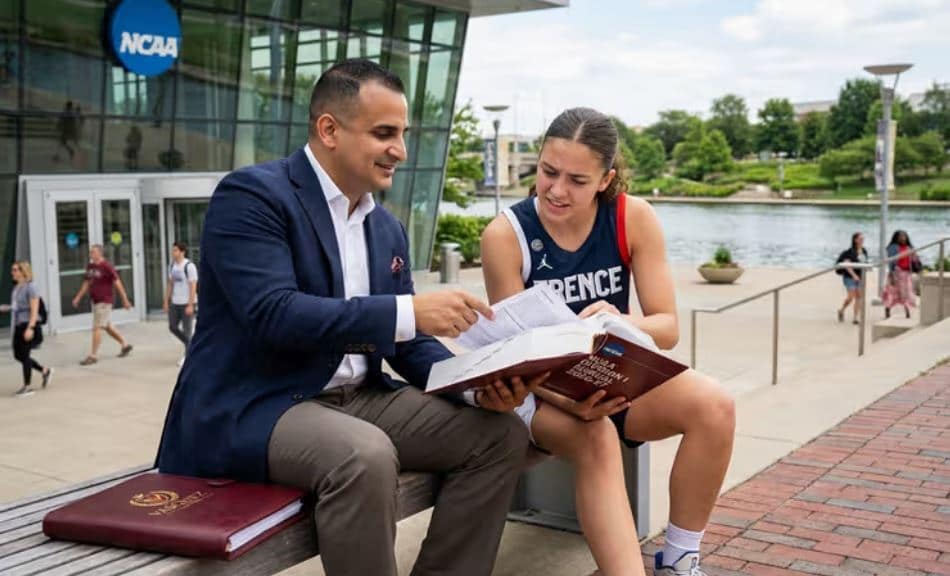
The landscape of collegiate sports continues to evolve at a rapid pace, and the shifts experienced throughout 2026 have left many high school athletes and their families searching for clarity. What was once considered a strict, predictable framework managed entirely by university compliance offices has transitioned into a complex, daily roster-management challenge. A series of temporary court orders and legal injunctions have fundamentally altered how the NCAA and the Southeastern Conference (SEC) enforce eligibility rules for the 2026-27 athletic season. These developments do not just affect elite college programs; their ripple effects are felt directly by local youth leagues, high school coaches, and parent and athlete resources aimed at preparing the next generation of competitors.
For families aiming to help their young athletes transition to the collegiate level, understanding this new regulatory environment is no longer optional—it is a mandatory step in the recruiting process. This article breaks down the recent legal shifts, examines how they impact local sports communities, and provides a clear framework for families trying to navigate the shifting sands of college sports eligibility.
The Shift in NCAA and SEC Roster Management
To understand the current environment, one must look back at how roster management operated prior to the 2026 legal challenges. Traditionally, high school athletes and transfer students operated under rigid timelines and clear-cut NCAA eligibility requirements. Players knew exactly when they could enter the transfer portal, what academic benchmarks were required to maintain their amateur status, and how conference-specific rules—like the SEC’s traditional intraconference transfer penalties—applied to their situations.
However, the 2026-27 season brought an unprecedented wave of temporary injunctions and court orders. Rather than a single definitive ruling, the legal system issued a patchwork of decisions that temporarily restricted the governing bodies’ ability to enforce certain roster limitations. The core issue became the legality of restricting athlete mobility and how name, image, and likeness (NIL) agreements could be tied to recruiting efforts.
As a result, SEC programs have been forced to treat roster building as a fluid, year-round exercise. Coaches are adjusting scholarship numbers, managing immediate-eligibility waivers, and responding to legal mandates that allow certain athletes to bypass traditional waiting periods. For high school recruits, this means the competition for roster spots has intensified. High school seniors are no longer just competing against their peers for a scholarship; they are competing against proven collegiate athletes who are suddenly granted immediate eligibility through the transfer portal. This dynamic fundamentally alters how high school athletes must approach their junior and senior seasons, emphasizing early exposure and proactive communication with college coaching staffs.
How Temporary Court Orders Altered the 2026-27 Recruiting Cycle
The temporary legal injunctions of 2026 created a unique set of circumstances for the current recruiting cycle. In previous years, the path from local varsity sports to a Division I program followed a linear timeline: camps in the summer, official visits in the fall, and National Signing Day in the winter or spring. Now, that timeline is constantly disrupted by the legal status of collegiate transfers and the shifting enforcement of NIL guidelines.
One of the most significant changes has been the suspension of certain intraconference transfer penalties. Historically, an athlete transferring from one SEC school to another faced a mandated year in residence, meaning they could not compete immediately unless they received a highly scrutinized waiver. The 2026 court orders temporarily paused the enforcement of these penalties, creating a sudden influx of intra-conference transfers. While this primarily affects current college athletes, the secondary impact on high school recruits is profound.
College programs now have the ability to fill immediate roster needs with experienced players from within their own conference. Consequently, the number of scholarships available to incoming freshmen has fluctuated dramatically. Programs are hesitant to lock in commitments early when they might need those spots for transfer athletes later in the cycle. For a high school athlete in a local community, this means that verbal offers are more fragile than ever. The pressure to solidify a commitment and sign early has increased, forcing families to make faster decisions based on less concrete information.
| Eligibility Factor | Traditional Guidelines | 2026-27 Temporary Adjustments |
| Transfer Mobility | Strict portal windows; penalty year for intraconference transfers. | Injunctions allowing immediate eligibility; paused intraconference penalties. |
| Roster Stability | Predictable scholarship limits and freshmen allocations. | Fluid roster numbers; heavy reliance on transfer athletes to fill immediate gaps. |
| Recruiting Timeline | Linear progression leading to early and regular signing periods. | Accelerated pressure to sign early due to uncertain scholarship availability. |
| Enforcement | NCAA and SEC compliance offices held direct authority over violations. | Authority temporarily limited by external court orders and legal injunctions. |
The Ripple Effect on Youth Leagues and Volunteer Coaches
The changes at the top of the college sports pyramid do not occur in a vacuum. The confusion surrounding the SEC’s roster management and SEC roster announcements trickles all the way down to local youth leagues, volunteer coaches, and high school athletic directors. When the ultimate goal for many young athletes is to secure a collegiate opportunity, the standards and strategies employed by their local programs must adapt to the new realities of the recruiting landscape.
For youth league organizers and high school coaches, the emphasis has shifted from purely developmental coaching to comprehensive athletic management. High school coaches are now tasked with understanding the nuances of immediate-eligibility rulings to advise their players accurately. A coach recommending that a player hold out for a better offer might unknowingly jeopardize that player’s chances if the target program suddenly pivots to a transfer portal candidate.
Furthermore, the uncertainty has altered how local programs schedule and promote their athletes. There is a growing trend of high schools participating in out-of-state showcases and elite tournaments earlier in a player’s career. The goal is to secure early evaluations before college programs reserve their remaining roster spots for older transfers. This shift places an added financial and logistical burden on families, who must now navigate travel schedules, tournament fees, and specialized training programs with a heightened sense of urgency.
The core lesson for local organizers is the necessity of clear, proactive communication. Roster rules at the collegiate level may be murky, but the expectations and support structures at the high school level must remain concrete. High school programs that establish transparent timelines, provide regular academic check-ins, and actively engage with college recruiters are best positioned to help their athletes succeed in this chaotic environment.
Actionable Steps for Families Facing Eligibility Uncertainty
Given the unprecedented nature of the 2026-27 recruiting cycle, families cannot afford a passive approach. Waiting for college programs to dictate the timeline is a risky strategy when roster spots are continually reallocated to transfer students. Instead, parents and athletes must take ownership of the process. Establishing a solid foundation of academic readiness and proactive communication can insulate a recruit from the unpredictable fluctuations of collegiate roster management.
To navigate this landscape effectively, families should focus on the variables they can control. While they cannot predict the next court ruling or SEC injunction, they can ensure that the athlete is fully prepared for any opportunity that arises.
- Accelerate the Academic Timeline: Ensure that core course requirements and standardized testing are completed as early as possible. Athletes who are academically qualified early in their high school careers present a lower risk to college programs looking to finalize their rosters quickly.
- Expand the Target List: Do not focus exclusively on major SEC programs or top-tier Division I schools. Identify a broad range of institutions, including Division II, Division III, and NAIA schools, that offer strong athletic and academic programs. Having a diverse set of options mitigates the risk of a primary target school withdrawing an offer due to transfer portal acquisitions.
- Maintain Direct Communication: Do not rely solely on high school coaches to manage relationships with college recruiters. Athletes should take the initiative to reach out to college coaching staffs, provide updated film, and ask direct questions about how the program’s transfer portal strategy might impact incoming freshmen.
- Focus on Verified Data: Ensure that all athletic metrics, academic transcripts, and injury histories are documented accurately and accessible to recruiters. In a fast-paced environment, college coaches will prioritize athletes whose information is readily available and independently verified.
- Evaluate the Program’s Roster History: Look at how a prospective college has managed its roster during the recent legal shifts. Have they prioritized high school recruits, or do they heavily favor transfer athletes? Understanding a program’s philosophy can help a family gauge the stability of a potential offer.
Looking Ahead: Best Practices for Preparing High School Athletes
The temporary injunctions and court orders that defined the 2026-27 SEC eligibility landscape are likely just the beginning of a broader restructuring in collegiate sports. While the specific legal battles may eventually be resolved, the underlying shift toward increased athlete mobility and fluid roster management is a permanent reality. For local sports programs, volunteer coaches, and families, the key to success is adaptability.
Preparing a high school athlete for this environment requires a holistic approach. The focus must extend beyond on-field performance to encompass academic rigor, strategic self-promotion, and a realistic understanding of the collegiate market. Local leagues and high schools must view themselves not just as training grounds, but as educational hubs that equip families with the knowledge to navigate complex recruiting networks.
Ultimately, the athletes who thrive in this new era will be those who combine elite talent with exceptional preparation. By staying informed about the changing eligibility rules, maintaining a broad network of collegiate contacts, and prioritizing academic readiness, families can turn the current uncertainty into a strategic advantage. As the rules of the game continue to change, the fundamental requirement for success remains the same: a proactive, informed, and disciplined approach to the recruiting journey.