

As of August 20, 2026, NFL Training Camp has shifted from summer setup to usable evidence for coaches, roster evaluators, players, and communities that follow the league closely. The Hall of Fame Game between the Arizona Cardinals and Carolina Panthers was played on August 6, 2026, so preseason evaluation is no longer theoretical. The next fixed date on the league calendar in the research notes is the regular-season opener, New England Patriots at Seattle Seahawks on September 9, 2026.
That timing matters. Camp reports can sound loud because every rep is visible to someone, but the strongest reads usually come from repeated patterns: who gets first-team work, who handles joint-practice stress, and which position groups still appear unsettled after the first preseason action. For adult-league organizers, youth coaches, and family sports planners, the NFL model offers a useful reminder: tryouts and preseason events work best when roles, access rules, and evaluation windows are clear.
Why NFL Training Camp Signals Matter
NFL Training Camp Battles And Depth Charts
Roster battles are not just media topics. They are a practical way to understand how teams compare long-term development against short-term readiness. NFL.com identified 12 notable 2026 camp competitions, including Atlanta’s quarterback battle involving Tua Tagovailoa and Michael Penix Jr. NFL.com position-battle analysis. The research notes describe Tagovailoa as favored because of fit, while Penix was recovering from a knee injury. That does not settle the job by itself, but it frames the type of question coaches face: upside, health, system fit, and timing all have to be weighed before preseason snaps become regular-season decisions.
A sound NFL Training Camp read separates three items that often get mixed together: who is leading now, who is gaining ground, and who has the traits to change the discussion with live preseason reps. Teams rarely make those choices from one practice. The better signal is the trend across padded work, situational periods, and game settings.
How Dates Change The Reading
The research notes show staggered reporting dates across the league. Seattle Seahawks rookies reported on July 17, 2026, and San Francisco 49ers rookies reported on July 18, with all 32 teams having full camps underway by July 28. That stagger can affect early impressions. A team with rookies in earlier may generate more early observations, but that does not mean its depth chart is clearer.
By August 20, several joint-practice dates listed in the research had already passed or were dated for that day: Buccaneers at Jets on August 11–12, 49ers at Chargers on August 18, Ravens at Vikings on August 19–20, and Giants at Dolphins on August 20. Those windows are useful because they place players against unfamiliar techniques and schemes before preseason games decide which problems are real.
Quarterback And Skill-Position Competition
Quarterback Rooms Need Context
Quarterback competition attracts the most attention because the position shapes practice structure. The research notes point to Cleveland and Minnesota as other quarterback rooms being watched, with Cleveland involving Deshaun Watson and Shedeur Sanders, and Minnesota involving Kyler Murray and J.J. McCarthy. The notes also say Sanders had shown notable improvement in camp reporting, while Watson carried health-related concerns after missing 2025 with injury.
Those details should be treated carefully. A quarterback can win a practice period by pushing the ball downfield, while another may be more consistent in protection calls, huddle control, or third-down work. Public reporting often captures the visible result of a throw, not the full assignment. That is why preseason series still matter. They allow staffs to measure the same players against contact, clock pressure, and substitution rules.
Skill Roles Often Move More Slowly
The research notes describe Arizona running back Jeremiyah Love, the No. 3 overall pick, competing with James Conner and Tyler Allgeier for RB1 duties, with Conner viewed as the early leader. That type of competition shows why rookie draft status and opening depth-chart position can differ. Coaches may trust a veteran’s pass protection, short-yardage vision, or practice consistency before giving a rookie a larger role.
The Los Angeles Chargers’ tight end group also appeared in the research notes, with Oronde Gadsden II, David Njoku, and Charlie Kolar competing for snaps. Gadsden was listed with 664 receiving yards last season and No. 11 among tight ends. Even there, receiving production is only one part of the camp read. Tight ends may be split by route usage, inline blocking, motion work, and red-zone packages, so snap share can be more revealing than a single receiving number.
UFL Pipeline And Community Development
Why The UFL Path Is Worth Tracking
The clearest development story in the research is the UFL-to-NFL movement. Nearly 50 players from UFL rosters were in NFL camps as of mid-August 2026, according to Axios reporting. That figure is meaningful because it points to a second evaluation channel for players who may need more film, more positional reps, or a better scheme fit than they previously had.
This is not proof that every spring-league standout will become an NFL contributor. It does show that teams are willing to use camp spots on players with recent game tape. For local football communities, that is a useful player-development lesson. Competitive reps matter, and organized adult leagues can help athletes stay visible when their settings keep records, verify participation, and create safe, consistent game conditions. Readers who study how sports preserve teaching, scouting, and local participation might find related baseball development reading through a related site in the same network.
What Adult Leagues Can Learn
Community sports programs can apply the same principle at a smaller scale. A player who is not a fit for one roster may still be valuable in a different role, format, or coaching structure. Clear registration records, reliable schedules, and fair evaluation periods help players move between levels without relying only on reputation.
Cross-sport comparisons can also help organizers think about development culture. Readers who study how other sports preserve teaching, scouting, and local participation can find related baseball development reading through a site in the same network. The shared point is simple: stronger sports communities tend to track participation clearly and give players enough repeated chances to show growth.
Joint Practices And Public-Facing Camp Access
Controlled Reps Before Preseason
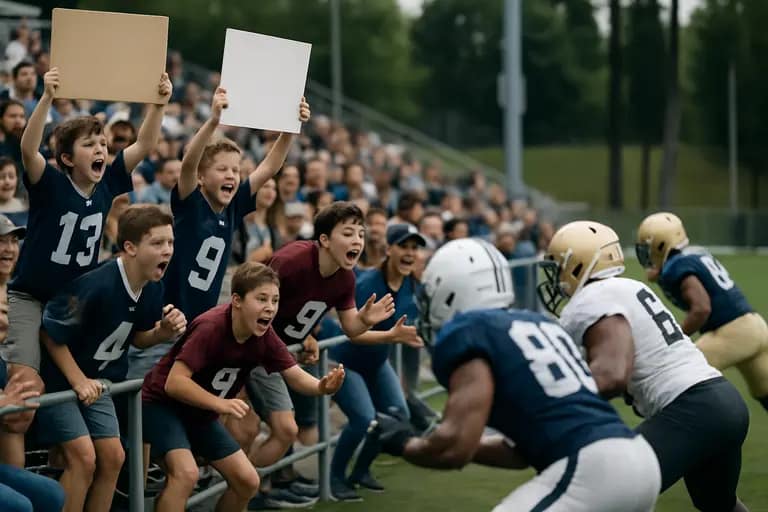
Joint practices can be more useful than a normal camp session because they give coaches controlled competition without a full game plan. The research list included Buccaneers-Jets, 49ers-Chargers, Ravens-Vikings, and Giants-Dolphins dates in August 2026. By the time those sessions occur, teams have usually installed enough offense and defense to test communication, spacing, and depth players against unfamiliar opponents.
For coaches outside the NFL, the lesson is not to copy the scale of the event. It is to copy the structure. Controlled scrimmage periods, clear contact rules, and position-specific goals can help adult and youth teams get better information than a loose practice. A receiver winning one-on-one work is useful; a receiver aligning correctly, blocking when required, and adjusting to coverage gives a fuller picture.
Fan Planning Lessons
Camp access can affect families, local businesses, and volunteers. Public practices need accurate dates, parking notes, ticket requirements, and facility details. A sports listing that does not say whether a practice is open, ticketed, or limited can waste time for families and create unnecessary pressure on staff at the venue. That is why clear training camp listing standards matter for community-facing sports events.
- For families: confirm whether the event is public before planning travel.
- For coaches: track repeated role usage, not isolated highlights.
- For league organizers: publish access rules and schedule changes in one verified place.
- For players: treat scrimmage reps and special-teams work as part of the evaluation.
NFL Training Camp Storylines
What Should Carry Into Preseason
NFL Training Camp coverage is most useful when it helps readers understand what to watch next. Quarterback competitions need preseason context. Skill-position battles need snap data and role clarity. UFL signees need game settings to show whether spring-league production can carry into a higher-speed environment. Joint-practice reports need to be separated from regular practice notes because the opponent and format change the test.
The cautious read on August 20, 2026, is that several storylines have become clearer, but few should be treated as finished without team decisions or game evidence. That approach serves fans, parents, coaches, and adult-league leaders better than reacting to every camp clip. Good sports communities reward the same habits NFL teams are trying to build in camp: fair evaluation, clear communication, and enough patience to let performance repeat before a final call is made.