

Nationals attendance did not rise with the club’s improved 2026 season, which makes the year useful for youth league leaders, parents, and community sports planners. The Washington Nationals finished 77-85, an 11-game gain from 66-96 in 2025, and recorded their most victories since the 2019 World Series season, according to The Washington Post. Yet the attendance figures supplied for this analysis show total home turnout declined from 1,916,768 in 2025 to 1,839,116 in 2026. That gap matters because it separates on-field progress from ballpark demand.
As a youth sports registrar, I tend to read professional team momentum through two practical questions: did families show up more often, and did the energy reach local play? For adult league players, the same question appears in a different form: does a better local pro team make baseball feel more present in conversations, facility use, and casual participation? For the Nationals in 2026, the answer is mixed. The team improved, the offense gave fans more to discuss, and youth baseball activity in DC remained visible. Still, the available data does not show a direct registration surge tied to the Nationals’ season.
Nationals Attendance After On-Field Progress
Performance Improved First
The Nationals’ 77-85 record was not a playoff-level finish, but it marked a real step up from the previous season. The 11-win gain gave the organization a stronger performance base after several lean years. The Post also reported notable individual production from young players, including CJ Abrams reaching 33 home runs with 30-plus stolen bases and James Wood hitting 30 home runs with an .891 OPS. For families at the park, those are easy-to-understand markers: speed, power, and younger players who can become reference points for kids learning the game.
From a community engagement standpoint, that kind of player growth can help coaches frame the sport in accessible terms. A shortstop with power and speed can be a teaching example in baserunning, defensive range, and strength development. A young outfielder producing at the plate can give coaches a way to talk about patience, swing decisions, and athletic development without making every lesson about winning.
What Nationals Attendance Did In 2026
The Nationals attendance numbers did not match the better record. The research set lists 1,839,116 total home fans in 2026, or 22,705 per game, down from 1,916,768 and 23,664 per game in 2025. The season decline was about 77,652 fans, close to 1,000 fewer per home date. The club also ranked 13th out of 15 National League teams in both seasons.
That pattern argues against a simple “winning raises turnout” reading, at least for this one season. It may take more than an 11-game improvement for families to change ticket habits, especially after multiple seasons below contention. Price, school-night timing, transportation, weather, opponents, and habit all can affect decisions, but those factors are not quantified in the research provided here. A cautious read is better: the Nationals improved enough to create optimism, but not enough to produce measured attendance growth by the end of the 2026 regular season on September 27, 2026.
What The 2026 Club Changed On The Field
Offense Gave Families A Clearer Hook
The club’s offense gave local baseball conversations more substance. The research notes say Washington scored 821 runs, the third most in MLB in 2026 and the second-most in franchise history, including the Expos era. Even without attendance growth, an offense with that kind of scoring output can affect how young players talk about the pro team. Kids often connect first with visible action: home runs, stolen bases, extra-base hits, and rallies.
For youth coaches, this is useful but should not be overstated. A productive MLB offense does not automatically improve throwing mechanics in a 10U practice or increase softball signups at a recreation center. It can, however, give families more shared language. Players may ask about Abrams stealing bases or Wood hitting for power. Coaches can use those moments to bring the conversation back to repeatable skills: first-step quickness, contact quality, base awareness, and defensive readiness.
Young Players Matter For Local Coaches
The Nationals’ younger core also matters because local participation often depends on identification. A rebuilding team with visible young players can feel more relatable than a roster built mostly around short-term veterans. Still, the evidence stops short of proving that the 2026 roster changed youth participation levels. The best-supported claim is that the team gave coaches, parents, and registrars better baseball examples than the prior year did.
For a broader sports comparison, attendance and family planning often move differently from performance alone. Our related look at MLB Wild Card attendance considered how timing and planning can affect turnout even for meaningful games. The Nationals’ 2026 season fits that caution: a better product on the field did not automatically mean more people in the seats.
Youth Baseball Effects In DC
Programs Show Activity, Not Causation
DC youth baseball activity remained present in 2026, but the available facts do not prove it increased because of the Nationals. The Washington Nationals Youth Baseball Academy offered “YBA PLAY: Fall 2026,” a free co-ed baseball and softball program scheduled from September 14 to November 1, 2026, with equipment and meals provided. That kind of programming reduces entry barriers, which matters for families balancing cost, transportation, and school schedules.
The Fields at RFK also remained a major youth sports site. In Fiscal Year 2025, it hosted 312,699 youth participants and spectators, and in FY 2026 to the date covered in the record it had served 62,592 youth, according to DC Council oversight materials on The Fields at RFK. Those figures support continued youth and amateur sports use in the city, but they do not isolate baseball from other sports or connect participation changes directly to the Nationals’ 77-85 season.
What Registrars Can Track Next
For league organizers, the gap between team success and Nationals attendance is a reminder to measure local outcomes directly. A youth league can feel busier after a better pro season, but registration records, waitlists, scholarship requests, and coach availability give a firmer read than general enthusiasm.
- Registration timing: Compare signups before and after key baseball dates, including Opening Day, school breaks, and the end of the MLB regular season.
- Age-group demand: Track whether tee ball, coach pitch, majors, and teen divisions move in the same direction.
- Retention: Measure how many spring players return for fall baseball or softball.
- Access barriers: Record scholarship use, equipment needs, and transportation issues, since these can limit participation even when interest is high.
- Coach supply: A rise in players without enough trained adults can cap growth quickly.
A related community sports perspective is available through this article on My All Time Best, which fits the same wider interest in how sports habits build across families, teams, and local facilities.
Community Planning Lessons For 2027
Stadium Demand Is Not The Same As League Demand
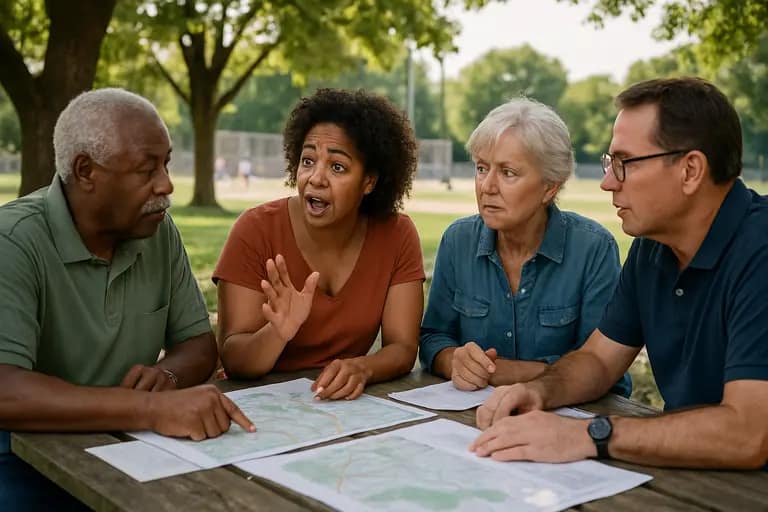
For DC baseball planners, the 2026 Nationals season offers a useful distinction. Stadium demand and youth league demand overlap, but they are not the same measure. A family might skip several MLB games because of cost or schedule conflicts while still registering a child for local baseball. Another family might attend a weekend game but never join a league. Adult players can be similar: they may follow the Nationals closely while playing slow-pitch softball, pickup baseball, or no organized sport at all.
That is why Nationals attendance should be read as one signal, not the full health report for baseball in Washington. The decline suggests the improved record did not immediately repair in-person MLB demand. The youth program notes and RFK participation figures suggest community sport remained active. Those two findings can both be true.
For 2027 planning, youth leagues can use the Nationals’ better 2026 play as a conversation starter, not as proof of demand. Registration teams should still budget fields, uniforms, officials, and volunteers from their own data. Coaches can point to Abrams, Wood, and a higher-scoring offense when teaching the sport, but administrators should avoid assuming that pro-level excitement fills local rosters on its own.
Nationals Attendance And Youth Baseball Signals
The clearest reading of 2026 is that baseball momentum in Washington was uneven. The Nationals improved by 11 wins, posted their best victory total since 2019, and featured young players who gave fans and coaches concrete examples to discuss. Yet Nationals attendance declined by the figures provided, with the club still near the bottom of the National League attendance rankings.
For youth leagues, that does not mean the season lacked value. It means the effect should be measured with care. A better MLB team can support interest, provide role models, and make baseball feel more visible in the community. It does not, by itself, prove higher youth registration or stronger family access. The responsible next step is local tracking: signups, retention, scholarships, field use, and volunteer capacity. If those move in a positive direction after the 2026 season, DC baseball will have stronger evidence that pro-team progress is reaching neighborhood diamonds.