

Little League eligibility disputes need roster, region, and advancement status notes in tournament listings because families, coaches, local supporters, and traveling fans often follow a team through several fast-moving stages before Williamsport. A team can appear in a bracket, face an eligibility protest, be removed from a regional tournament, become part of a court fight, or have its advancement status updated within hours. A listing that only says “Southwest Region champion” or “team advances” can mislead readers if it does not show whether the roster was verified, whether the regional berth is confirmed, and where the official update came from.
For EfficientDirectory.com, which focuses on local sports leagues, schedules, sign-ups, teams, fields, coaches, review signals, and listing accuracy, the 2026 Southwest Region dispute involving Tulsa National Little League, Boerne Little League, and Ascension Parish Little League is a useful example of why youth tournament listings need status fields. A good listing should show roster verification source, region label, protest status, advancement status, schedule impact, court-related status only when source-backed, and last verified date.
Why The 2026 Southwest Region Dispute Is A Strong Listing Example
The 2026 Little League Baseball Southwest Region Tournament was scheduled in Waco, Texas, from August 6 through August 11. Little League’s official Southwest Region Tournament page listed the regional championship path that would send the Southwest representative to the Little League Baseball World Series in Williamsport.
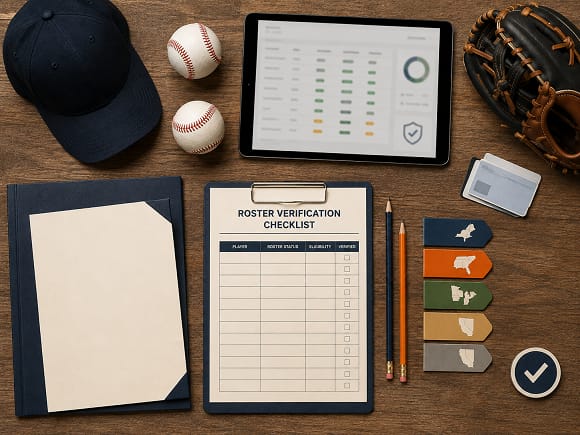
The dispute became a listing problem when Tulsa National Little League, representing Oklahoma, was disqualified after Little League determined that a player who participated during the International Tournament was ineligible, according to recent San Antonio and Houston reporting. That changed the championship path and brought Boerne Little League, representing Texas West, into a one-game championship against Ascension Parish Little League of Louisiana.
Boerne defeated Ascension Parish 4-1 in Waco on August 10, 2026, to advance to the Little League Baseball World Series. A court fight followed after a temporary restraining order raised questions about whether a different championship game involving Tulsa would be played. Reporting later said Judge Ryan Luna of the 414th District Court dissolved the order, allowing Boerne’s advancement to stand.
For a sports directory, the lesson is not to decide who was right in the dispute. The lesson is that a listing must separate schedule, roster eligibility, regional representation, protest status, and confirmed advancement. Those fields should not be squeezed into one event title.
Why Roster Status Should Be Separate From Team Name
Roster status should be separate from team name because a tournament listing can show a team in the bracket before every eligibility question is settled. Families following a team need to know whether the roster is active, under protest, disqualified, reinstated, forfeited, or officially cleared for the next round.
Little League’s general player eligibility guidance explains that eligibility is established through residency within a local Little League’s boundaries or school attendance within those approved boundaries. Little League’s help center also describes eligibility through residency, school enrollment, or uninterrupted participation under certain rules in its residency and school enrollment requirements.
That kind of rule context belongs near roster notes. A directory does not need to publish private documents or player names. It should avoid personal details about minors. It can still show a source-backed status field such as “eligibility protest reported,” “team removed by Tournament Committee,” “previous game declared forfeit,” or “advancement confirmed by official bracket.”
A listing should never suggest a child or family did something wrong unless an official source says so and the article can support that claim responsibly. In most cases, the listing should focus on team status and source links, not personal allegations.
Why Region Labels Need More Than A State Name
Region labels need more than a state name because Little League tournament paths use layered geography. In the Southwest Region, teams may represent Texas West, Texas East, Louisiana, Oklahoma, Arkansas, Mississippi, New Mexico, and other regional slots depending on the division and year. A fan may search by local league, state, regional label, or World Series berth.
Boerne’s 2026 path involved the Texas West label. Ascension Parish represented Louisiana. Tulsa National represented Oklahoma before its disqualification. A listing that only says “Texas,” “Louisiana,” or “Oklahoma” may not give enough context for a family trying to follow the bracket.
A better listing should show local league name, city or parish, state designation, region label, and tournament level. For example, it should distinguish Boerne Little League from “Texas West,” Ascension Parish Little League from “Louisiana,” and the Southwest Region Tournament from the Little League Baseball World Series in Williamsport.
Region labels also help prevent stale pages. A listing may show “Southwest Region TBD” before the championship, then “Southwest Region confirmed” after the official bracket updates. That change should be visible.
Why Advancement Status Notes Matter After Protests
Advancement status notes matter because tournament results can shift after protests, forfeits, or court orders. A team may win a game on the field, then a protest changes the bracket. A team may appear to advance, then a temporary order creates uncertainty. A later ruling or official tournament decision may confirm the final representative.
The Boerne-Tulsa-Ascension Parish situation shows why a listing needs status language beyond win-loss results. A directory should be able to mark a team as “advanced on field result,” “advanced after forfeit,” “pending protest,” “pending court order,” “confirmed by official source,” or “completed regional representative.”
That does not mean a directory should act like a court record. It should avoid legal interpretation. It should link to official tournament pages and reliable reporting, then explain what the status means for families reading the listing.
A parent looking for a watch party, travel date, or Williamsport schedule needs to know whether the team’s berth is confirmed. A regional fan needs to know whether the bracket changed. A local league supporter needs to know whether the next game listed is still valid.
What Eligibility-Dispute Listings Should Show
A useful youth tournament listing should make uncertainty visible instead of hiding it. That protects readers from stale brackets and reduces confusion when official decisions change the tournament path.
| Listing Signal | What Readers Need To See | Why It Matters |
|---|---|---|
| Team Name | Local league name, city, state, and region label | Helps readers identify the correct team |
| Roster Status | Active, under protest, removed, reinstated, or confirmed | Separates team identity from eligibility status |
| Region Status | State champion, regional finalist, regional champion, or World Series representative | Shows where the team sits in the path |
| Advancement Note | Advanced by win, forfeit, official decision, or confirmed bracket update | Explains why the bracket changed |
| Source Link | Official bracket, official tournament page, or reliable reporting | Lets families verify fast-moving updates |
| Last Verified Date | Date and time the listing checked the status | Reduces stale tournament claims |
| Privacy Limit | No minor-player personal details unless officially necessary | Keeps the listing responsible |
This structure fits EfficientDirectory.com because it turns a confusing youth baseball dispute into a practical listing standard. The goal is not to amplify conflict. The goal is to help families understand what is official, what changed, and what needs verification.
Why Official Eligibility Sources Should Be Easy To Find
Official eligibility sources should be easy to find because tournament disputes often spread through screenshots, social posts, rumor threads, and partial bracket images. Families may see one version of the bracket before another version is posted. A directory should reduce that confusion by linking to the official tournament source and the official eligibility rule source.
Little League’s eligibility materials explain that players must meet residency or school enrollment requirements, with documentation used to establish eligibility. Little League’s residency eligibility checklist describes documentation expectations and notes that similar information is used to establish eligibility for the Little League International Tournament.
A listing should not try to replace those rules. It should say where the official rules live and whether a reported dispute affected the bracket. This helps readers understand the difference between a roster claim, a protest, a tournament committee decision, and a confirmed advancement.
For EfficientDirectory.com, official-source links are part of trust. If a listing includes an eligibility note, it should include a source link. If no official source is available, the listing should say the status is not verified rather than guessing.
Why Brackets Need Time-Stamped Status Updates
Brackets need time-stamped status updates because a tournament page can change as games finish, forfeits are recorded, or matchups are adjusted. In the Southwest Region dispute, fans saw multiple stages: Tulsa’s participation, Little League’s disqualification decision, Boerne versus Ascension Parish, a temporary restraining order, and a later court action that allowed Boerne’s advancement to stand.
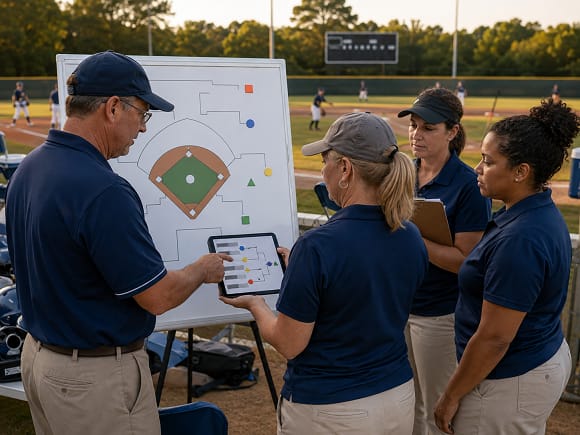
A static bracket image is especially risky. Fans may save a screenshot before the official page updates. A directory that copies the screenshot may keep showing a matchup that no longer exists. A better system should show “last verified” beside every high-impact tournament status field.
Little League’s official 2026 Little League Baseball World Series schedule should remain the authority for Williamsport game assignments once regional representatives are confirmed. The regional page should remain the authority for Waco results and bracket updates.
A listing should use the official schedule for upcoming games, the official bracket for advancement, and a timestamp for when the listing checked both.
Why Court-Related Notes Need Careful Wording
Court-related notes need careful wording because sports directories are not legal databases. A listing can report that a court order affected the tournament status when reliable reporting supports it. It should not analyze legal strategy, assign blame, or make claims about private eligibility documents.
In this case, recent reporting described a temporary restraining order that would have forced a championship game involving Tulsa, followed by Judge Ryan Luna dissolving that order. The practical listing point is that the tournament status was uncertain for a short period, then Boerne’s advancement was reported as moving forward.
A directory should use neutral labels: “court-related status reported,” “temporary order reported,” “order dissolved,” and “advancement status confirmed by current reporting.” It should avoid sensational language around children, families, or volunteers.
This is also where reader usefulness matters. Families do not need a legal debate in a tournament listing. They need to know whether the next game is happening, which team advanced, and where official updates appear.
How Reviews And Comments Should Handle Disputed Youth Events
Reviews and comments for disputed youth events should be moderated for accuracy and privacy. Eligibility disputes involve minors, families, volunteers, coaches, and local league officials. A directory should not become a place for unsupported accusations, personal attacks, or copied private documents.
A useful review format can ask whether the listing showed the bracket status, whether official source links were clear, whether the region label was updated, and whether the advancement note matched the latest official information. That keeps feedback focused on listing quality rather than rumor.
The Federal Trade Commission’s consumer review rules warn against deceptive review practices, including fake or misleading reviews. For youth sports listings, that principle should be paired with privacy caution. Reviews should be real, time-stamped, and focused on public-facing event information.
EfficientDirectory.com can make its listings more useful by separating verified status fields from user comments. Source-backed facts should not depend on comment threads.
What Families Should Verify Before Following A Tournament Listing
Families should verify the official bracket, team representative, region label, roster or eligibility status, protest status if reported, advancement status, next game, venue, broadcast source, and last updated date before relying on a tournament listing.

For the 2026 Southwest Region dispute, the verified public facts show why this matters. Tulsa National was removed after Little League determined a participating player was ineligible. Boerne, representing Texas West, beat Ascension Parish, Louisiana, 4-1 in Waco on August 10. A temporary restraining order created uncertainty, and later reporting said Judge Ryan Luna dissolved it, allowing Boerne’s path to Williamsport to proceed.
Families should not rely only on screenshots, social posts, copied brackets, or old regional pages. They should check Little League’s official tournament pages and reliable current reporting before making travel or viewing plans.
For EfficientDirectory.com, the broader rule is clear: youth tournament listings should show roster status, region identity, advancement note, source link, and last verified date. Those fields help families follow the tournament without guessing which update is current. When disputes happen, the listing should not amplify confusion. It should show what is confirmed, what changed, and where readers can verify the next step.