

Joint Practice Strategy is not just an NFL camp headline; it is a practical coaching choice with lessons for every level of football. The Seattle Seahawks and Tennessee Titans are scheduled to hold a joint practice on Friday, August 21, 2026, in Nashville, before their preseason game on Sunday, August 23, 2026, at 5:00 PM PDT, and the Seahawks also have rookies reporting July 17 and veterans reporting July 24, according to the Seahawks announcement. As a volunteer coach, I read that schedule as more than a travel note. It gives both staffs a controlled setting to teach, evaluate, and adjust before the game lights come on.
The value sits in the difference between practice and preseason football. A preseason game is public, timed, and limited by substitution plans. A joint practice can be structured by period, down-and-distance, field zone, and tempo. That does not make it risk-free, and coaches still have to manage competitiveness, but it can create cleaner teaching windows than a game that keeps moving.
Why Joint Practice Strategy Matters In August
The Seahawks have made this type of work a recurring part of camp under head coach Mike Macdonald. The 2026 session would mark their third consecutive season taking part in joint practices under Macdonald, after working with the Titans in 2024 and the Packers in 2025. That pattern does not prove a competitive edge by itself, but it does suggest the staff sees value in controlled work against unfamiliar opponents.
Joint Practice Strategy Under Controlled Tempo
In 2024, the Seahawks and Titans held two joint practices on August 14 and 15 before their preseason game on August 17. Research notes from that camp point to Macdonald emphasizing the ability to control tempo, drills, and intensity. That makes Joint Practice Strategy useful because coaches can set the exact problem they want solved: a red-zone period, a third-down pass-rush look, a two-minute sequence, or a special teams exchange.
That matters for player development. Young players need repetition, but they also need variety. Facing the same teammate for three weeks can teach technique, yet it can also create false comfort. A new opponent changes hand usage, release timing, route leverage, and communication stress. In a controlled practice, coaches can pause between periods, correct errors, and repeat situations without exposing the full plan in a televised game.
Physicality Without Losing Discipline
The 2024 practices between these teams were described in the research as physical and competitive, with both sides maintaining discipline to avoid injuries or conflicts. That balance is the coaching challenge. A flat practice does not prepare players well, but an uncontrolled practice can undercut the purpose of the trip. The staff has to define tempo clearly, especially around quarterbacks, special teams contact, sideline space, and finish rules.
This is where NFL lessons translate to youth sports. In community football, scrimmages often drift because coaches assume players understand the pace. They usually need clearer rules. If the period is thud tempo, say what that means. If the quarterback is off limits, repeat it before every team segment. If a coach wants live tackling, set the field space and the player groups with care. At youth level, Joint Practice Strategy should start with safety language before scheme language.
What Seattle Can Learn Against Tennessee
For Seattle, the Titans offer a different set of bodies, techniques, and calls than daily camp work. The value is not about declaring winners after one practice. It is about testing whether assignments hold up when the opponent is not familiar. Offensive linemen hear different cadences from their own defense every day; joint work can test whether communication stays clean against new movement. Defensive backs see fresh releases and route stems. Receivers get press looks from players who do not know their practice habits.
A BVM Sports report framed the Seahawks’ participation in joint practices as part of a strategic preseason approach tied to player performance and team cohesion BVM Sports report. That is a fair lens if we keep the claim modest. Cohesion is not built in one day, but shared reps against another team can reveal whether communication rules are becoming second nature.
Roster Evaluation With Cleaner Context
Preseason games are valuable, but they can be uneven for roster evaluation. A backup tackle might play beside different guards by quarter. A young receiver might get limited targets because the drive stalls. In practice periods, a coach can give the same player repeated chances against a comparable matchup. That makes the evaluation more specific, even if it remains only one piece of the decision.
For Seattle, the staff can compare how players respond in meetings after a practice like this. Did a mistake repeat? Did a player correct his footwork after a coaching point? Did a communication issue improve in the next team period? Those details rarely show up in a box score, but they matter inside a building. They matter for volunteer coaches, too, because improvement after feedback is often a better sign than one splash play.
What Tennessee Can Test Against Seattle
The Titans also gain a structured opponent before the preseason game. Since the practice comes two days before the Sunday matchup, Tennessee can use the session to stress communication without needing to show everything in the game. Research notes indicate that joint practices allow teams to work deeper into playbooks than they might during televised preseason games. That does not mean teams reveal every plan; it means coaches can install and test selected concepts away from the full broadcast setting.
Teaching The Staff As Much As The Players
Joint practices can also test the coaching staff. Period planning, substitution timing, sideline control, and drill sequencing all get pressure when another team is involved. If a period runs too long, players lose focus. If the tempo is unclear, frustration rises. If reps are uneven, evaluations suffer. The Titans staff can use the session to see how their own operation holds up in a shared environment.
That is one reason I like these practices as a coaching topic rather than only a fan topic. They show that development is not just about athlete effort. It is also about the structure adults build around the athletes. Good coaches decide what the day is for, how success will be measured, and where risk has to be reduced.
Community Coaching Lessons From NFL Joint Work
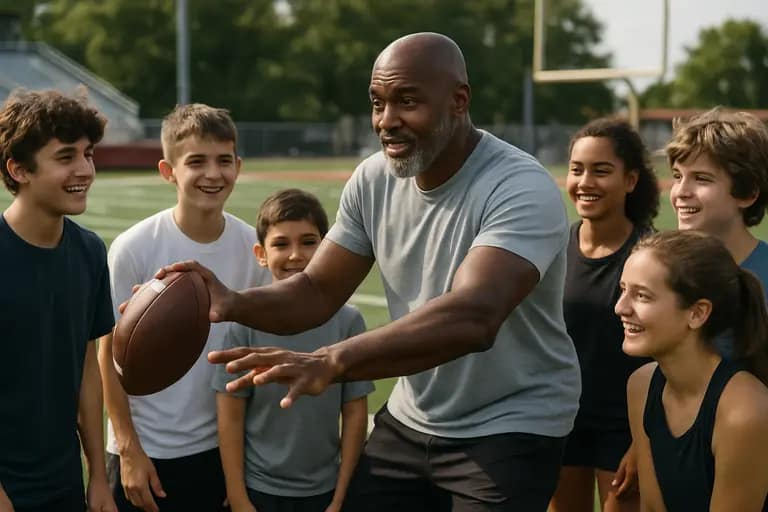
Youth and school programs should not copy the NFL model blindly. NFL teams have medical staffs, video departments, equipment support, and professional players. Most community programs do not. Still, the principles can be adapted. The key is to scale the format down instead of copying the intensity up.
If two local teams want shared work before a jamboree or season opener, the head coaches should agree on the plan before players arrive. That includes tempo, contact level, number of periods, water breaks, field boundaries, and how coaches will stop a drill if emotions rise. For community discussion around coaching habits and sport participation, I also like sharing notes through related spaces like Back2Tap, where practical sports conversations can reach parents and volunteers beyond one sideline.
- Define the purpose: decide whether the day is for evaluation, conditioning, communication, or situational football.
- Limit the menu: fewer plays often create better teaching than a long call sheet.
- Set contact rules: players should know the finish standard before the first snap.
- Build review time: coaches need time after each block to correct what they saw.
For a volunteer coach, the biggest lesson is that Joint Practice Strategy works only when the plan is clear. A shared practice should not become a game without officials. It should be a teaching session with an opponent who gives honest resistance.
Seahawks-Titans Joint Work For Coaches
The best use of Joint Practice Strategy for Seattle and Tennessee will be measured less by public reaction and more by how well each staff answers its own questions. Can a young player handle a new matchup? Can a position group communicate under stress? Can coaches keep the period competitive without letting it drift? Those are practical questions, and they apply from the NFL down to local football.
The August 21 practice in Nashville gives both teams a bridge between training camp and the August 23 preseason game. It should create teachable film, fresh matchups, and a controlled test of discipline. For those of us coaching youth athletes, the takeaway is clear: shared practice can be useful, but only if the adults design it with purpose, limits, and player development at the center.