

Community sports facilities are no longer just functional spaces. They are strategic assets that shape participation, influence program quality, and determine whether leagues grow or struggle to sustain interest.
Across many regions, recent investments in upgraded fields, modern pavilions, and multi-use complexes are transforming how communities engage with sports. These upgrades are not simply cosmetic improvements—they directly affect accessibility, scheduling capacity, and overall player experience.
As local governments and organizations invest in infrastructure, a clear pattern is emerging: better facilities drive higher participation.
Why Facility Quality Directly Affects Participation
At the most basic level, people are more likely to participate in environments that feel safe, well-maintained, and inviting.
Poor field conditions, outdated amenities, and limited lighting can discourage players from registering. In contrast, upgraded facilities create a sense of professionalism and reliability that attracts both new and returning participants.
Facility quality also impacts perception. When leagues operate in modern, well-designed spaces, participants associate the program with organization and value. This perception plays a major role in retention.
Communities that prioritize infrastructure improvements often see immediate increases in registration numbers, especially in adult recreational leagues where experience and convenience are key factors.
The Role Of Modern Pavilions And Shared Spaces
One of the most noticeable trends in recent facility upgrades is the development of multi-purpose pavilions. These structures serve as central hubs for teams, officials, and spectators.
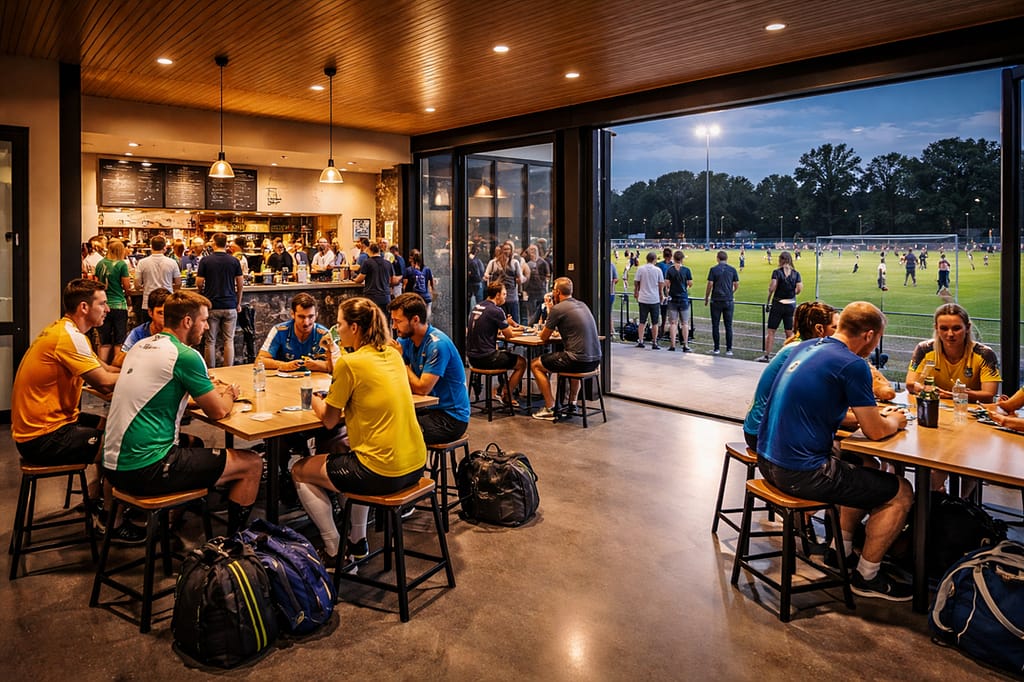
Modern pavilions typically include:
- locker rooms and changing areas
- meeting and social spaces
- improved restrooms and accessibility features
- viewing areas for spectators
These additions enhance the overall experience beyond the game itself.
A well-designed pavilion encourages social interaction, which is a critical component of community sports participation. Players are more likely to return when the environment supports both competition and connection.
This aligns closely with insights from mental health benefits in community sports participation, where social environments play a major role in long-term engagement.
Lighting And Extended Play Capacity
Lighting upgrades are among the most impactful changes communities can make.
Fields with modern lighting systems can host games later into the evening, dramatically increasing scheduling capacity. This is especially important for adult leagues, where participants are only available after work hours.
Improved lighting also enhances safety and game quality. Players can perform at a higher level, and leagues can maintain consistent schedules without being limited by daylight.
Impact Of Lighting Upgrades
| Upgrade Type | Immediate Benefit | Long-Term Impact |
|---|---|---|
| LED Field Lighting | Brighter, more efficient illumination | Increased evening participation |
| Extended Operating Hours | More available time slots | Expanded league capacity |
| Improved Visibility | Safer play conditions | Higher player satisfaction |
Lighting transforms facilities from daytime-only assets into full-day community resources.
Multi-Use Facility Design And Flexibility
Modern facility upgrades increasingly focus on flexibility. Instead of building single-purpose fields, communities are designing spaces that can accommodate multiple sports and activities.
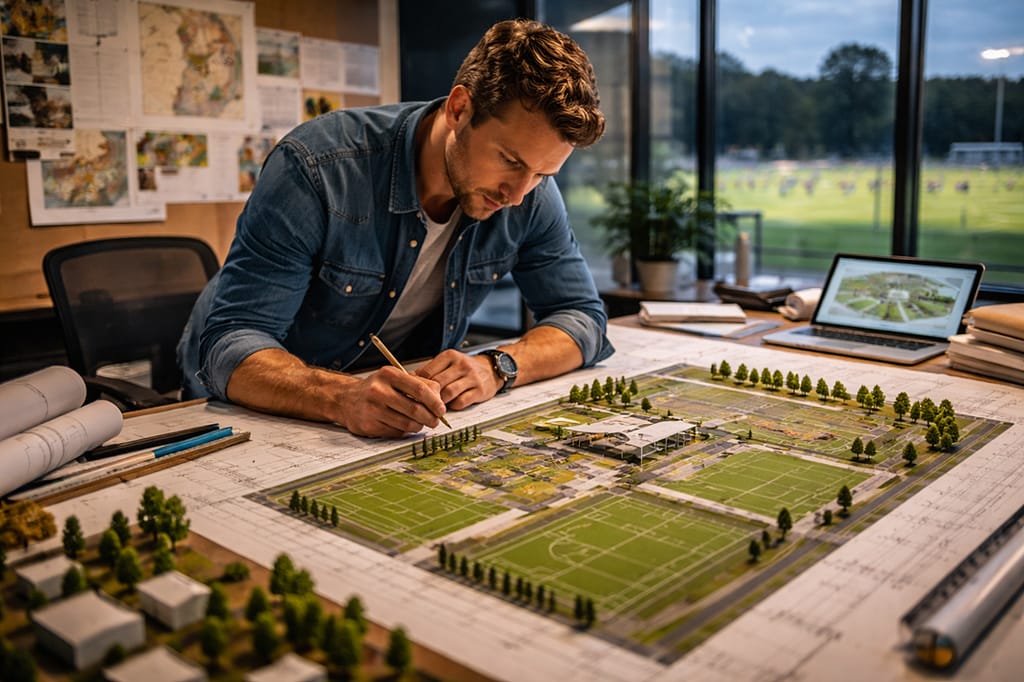
Multi-use fields and courts allow recreation departments to adapt quickly to changing participation trends. For example, a single space may host soccer, lacrosse, or community events depending on demand.
This flexibility is particularly valuable as emerging sports gain popularity. Facilities that can support multiple activities are better positioned to respond to shifts in community interest.
Flexible design also improves efficiency. More participants can be accommodated without requiring additional land or major construction projects.
Economic And Community Impact Of Facility Investment
Facility upgrades do more than improve participation—they contribute to broader community development.
Modern sports complexes often attract regional tournaments, events, and visitors. This creates economic activity that benefits local businesses, including restaurants, hotels, and retail.
At the same time, upgraded facilities strengthen community identity. They become gathering spaces where residents connect, support local teams, and engage in shared experiences.
According to the National Recreation and Park Association community infrastructure insights, investments in recreational facilities are closely tied to improved public health outcomes and increased community engagement.
These benefits extend far beyond the playing field.
Addressing Access And Equity Through Facility Improvements
While upgrades bring clear benefits, they also raise important questions about access.
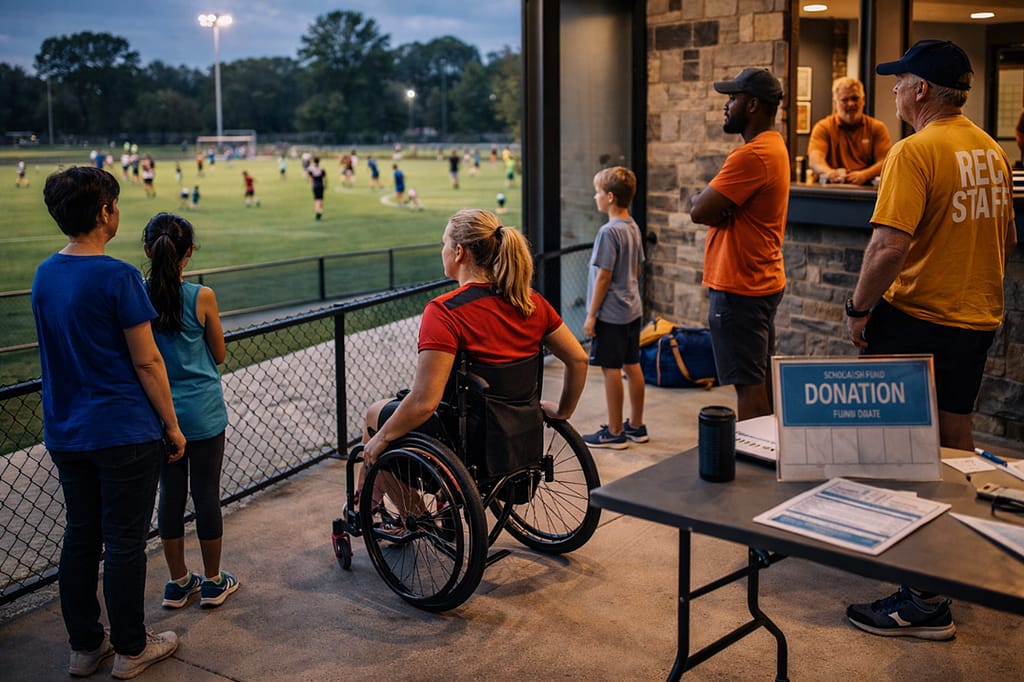
Communities must ensure that improved facilities remain accessible to all participants, regardless of income level or background. Rising costs associated with upgraded infrastructure can sometimes lead to higher registration fees, which may limit participation.
Balancing quality with affordability is essential.
Successful programs often address this by:
- offering tiered pricing or financial assistance
- maintaining open-access programming alongside structured leagues
- partnering with local organizations to expand access
Facility improvements should expand participation—not restrict it.
Long-Term Sustainability And Maintenance Planning
Upgrading a facility is only the first step. Long-term success depends on consistent maintenance and operational planning.
Without proper upkeep, even the most advanced facilities can deteriorate quickly. Communities must plan for ongoing costs related to maintenance, staffing, and equipment replacement.
Sustainable facility management includes:
- regular field and surface maintenance
- equipment inspections
- scheduled upgrades and reinvestment
Communities that treat facilities as long-term assets rather than one-time projects are more likely to sustain participation growth.
Why Facility Investment Shapes The Future Of Community Sports
The connection between infrastructure and participation is clear. Facilities influence who plays, when they play, and how often they return.
As community sports continue evolving, the importance of modern, flexible, and well-maintained facilities will only increase.
Upgraded environments support higher participation, better experiences, and stronger community engagement. They allow leagues to grow, adapt, and remain relevant in changing social landscapes.
For recreation leaders and community planners, facility investment is not just about improving fields or buildings.
It is about creating spaces where participation thrives—and where community sports continue to play a central role in everyday life.