

Major sporting events have always created movement. Fans travel, restaurants fill, hotel rooms tighten, local transportation systems strain, and host cities reorganize entire weeks around matchday activity. But in 2026, the economics of fan participation are expanding beyond physical attendance. As the FIFA World Cup unfolds across the United States, Canada, and Mexico, another layer of participation is becoming more visible: online betting communities where fans compare information, discuss markets, evaluate sportsbooks, and turn major events into shared digital experiences.
For community sports organizers and recreation administrators, this trend matters because it shows how modern fan behavior is no longer confined to stadiums, watch parties, or local clubs. Participation now moves across physical venues, social feeds, streaming platforms, group chats, betting forums, and sports communities that operate before, during, and after the event itself.
That does not mean every sports organization should become betting-focused. It means administrators need to understand how major events now shape attention, travel, digital engagement, and community behavior at the same time.
Major Events Are Turning Host Cities Into Participation Hubs
The 2026 FIFA World Cup is the largest edition in tournament history, featuring 48 teams and 104 matches across 16 host cities in North America. The United States is carrying the largest hosting load, with FIFA’s official tournament structure placing matches across major markets such as New York/New Jersey, Los Angeles, Dallas, Atlanta, Houston, Kansas City, Philadelphia, Miami, Seattle, San Francisco Bay Area, and Boston.
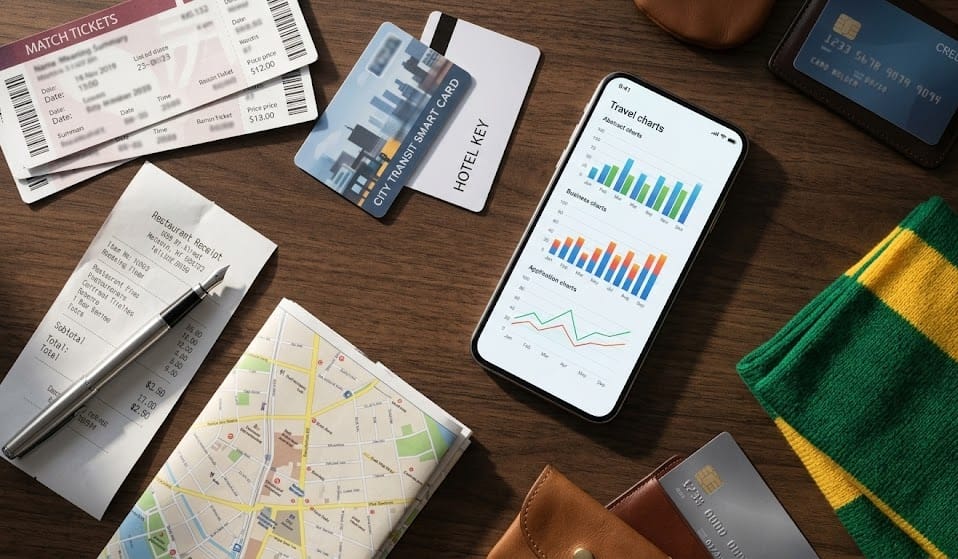
That scale changes the meaning of sports participation. A fan does not need to play in a league or attend every match to become part of the sports economy. They may travel for one game, attend a public viewing festival, spend money at local businesses, follow odds movement, or participate in online discussions tied to the event.
Kansas City’s FIFA Fan Festival offers a useful example. Axios reported that the city opened its free Fan Festival on the National WWI Museum lawn with giant screens, local barbecue, multiple stages, a 65-foot glowing heart installation, and a large merchandise footprint. The event had registrants from 153 countries, with international visitors coming from Ecuador, Mexico, Argentina, and Colombia.
That is not passive viewership. It is organized public participation built around a major sports event.
Sports Tourism Is No Longer Just About Tickets
Sports tourism has traditionally been measured through obvious categories: hotel nights, restaurant spending, transportation, ticket sales, and event-related retail. Those metrics still matter, but they do not capture the full modern participation cycle.
Tourism Economics has forecast that World Cup-related hotel room revenue could rise between 7% and 25% in June 2026 in some host markets, with the strongest gains concentrated around match days. Other pre-event analysis from The Data Appeal Company and Mabrian projected $556 million in event-related visitor spending across U.S. host cities during the tournament.
For local sports administrators, the operational lesson is that major events create temporary but intense participation ecosystems. These ecosystems include spectators, casual fans, visiting supporters, local businesses, public agencies, digital communities, and sports media.
| Participation Layer | Traditional Sports Tourism View | Modern Major-Event View |
|---|---|---|
| Attendance | Ticketed spectators | Ticketed fans plus public festival participants |
| Spending | Hotels, food, travel | Hospitality, merchandise, digital subscriptions, watch parties |
| Engagement | Stadium experience | Stadium, fan zones, social media, forums, betting communities |
| Community Impact | Event-week traffic | Longer-term visibility, local programming, youth interest |
This broader model helps explain why cities invest in fan festivals, public screens, transportation planning, and digital promotion. The match is only one part of the participation economy.
Online Betting Communities Are Becoming Part Of The Fan Journey
The growth of online betting communities reflects a wider behavioral shift. Fans increasingly seek information before engaging with sports markets, especially during major events with high public attention. They compare opinions, monitor line movement, evaluate bonuses, ask questions about payouts, and discuss sportsbook reputation.
That is where communities such as offshore sportsbook forums enter the conversation. For U.S. fans, especially those in states with limited or unavailable regulated online sportsbook access, offshore betting discussions often become part of the research layer around major events. These communities are not simply about picks. They also function as informal information exchanges about market access, banking experiences, promotions, limits, and platform reliability.
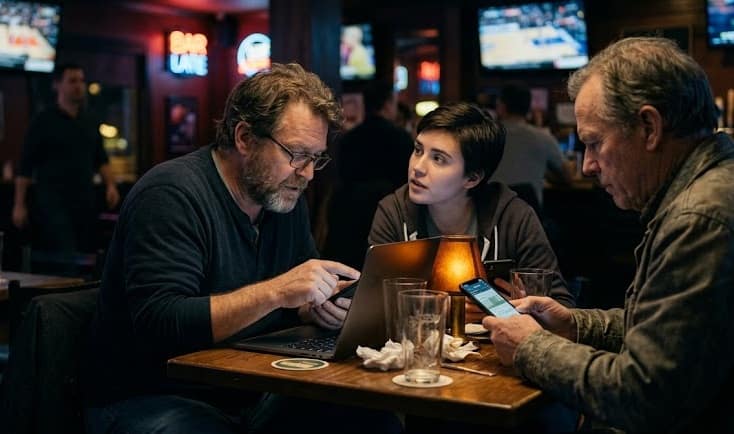
This matters operationally because fan participation is becoming more self-directed. A fan may attend a watch party downtown, follow match commentary on social media, read betting discussions during halftime, and compare sportsbook terms before placing any wager. The entire experience becomes layered.
For EfficientDirectory’s audience, the takeaway is not to promote betting. It is to recognize that digital communities now influence how fans interpret major sporting events.
The Risk Side Of Digital Sports Participation
The expansion of betting-related communities also creates risk. Offshore sportsbooks are not regulated by U.S. state gaming agencies, which means consumers do not receive the same protections they would through state-licensed operators. That distinction matters, particularly when casual fans are drawn into betting conversations during major tournaments.
TheRX’s own offshore sportsbook comparison page frames the trade-off directly, noting that offshore books may appeal to users because of broader market access, crypto-friendly banking, reduced-juice pricing, higher limits, or availability where state-regulated apps are limited, while also emphasizing that offshore sportsbooks are not regulated by U.S. state gaming agencies.
That creates an important educational responsibility for sports communities, media sites, and local administrators discussing fan participation. Major events can generate enthusiasm, but enthusiasm should not be treated as informed decision-making.
A responsible article or community program should distinguish clearly between:
- Public fan engagement, travel, viewing events, and community participation
- Betting activity, which carries financial risk and requires caution, legal awareness, and informed decision-making
This separation is especially important for community sports organizations that serve families, youth athletes, and volunteers. The topic can be analyzed as part of fan behavior without turning local sports programming into gambling promotion.
What Local Sports Organizations Can Learn From Major Events
Even if a youth league or recreation department has no connection to betting, the major-event model offers useful lessons about attention and participation.
First, fans respond to shared experiences. Public viewing spaces, themed events, community festivals, and local partnerships help transform sports from a private viewing activity into a collective experience. That same logic applies to local tournaments, end-of-season events, all-star games, and fundraising weekends.
Second, participation increases when organizations create multiple entry points. Not everyone wants to play. Some want to volunteer, attend, watch, donate, sponsor, coach, or discuss. Strong sports ecosystems make room for different types of involvement.
Third, digital spaces shape physical outcomes. A local league that communicates well online can improve attendance, volunteer turnout, registration timing, and sponsor visibility. This is closely connected to broader patterns in sports tourism economics, where facilities, events, and community engagement work together to create broader impact.
Fan Forums As Informal Trust Networks
One reason betting forums remain relevant is that they operate as informal trust networks. Users often turn to forums because they want experience-based information, not just promotional copy. During major events, that demand increases because casual participants may be trying to understand unfamiliar markets quickly.
This mirrors a broader pattern in local sports administration: trust is built through peer information. Parents compare leagues. Coaches ask other coaches about tournament quality. Volunteers share experiences about registration systems. Fans compare sportsbooks and betting communities.
The structure may differ, but the underlying behavior is similar. People seek confidence before committing money, time, or attention.
| Sports Context | Trust Question Fans Or Participants Ask |
|---|---|
| Youth league registration | Is this program organized, safe, and transparent? |
| Tournament travel | Is this event worth the cost and time? |
| Major-event attendance | Where should I watch, stay, or spend? |
| Betting community participation | Which information sources are reliable and risk-aware? |
This is why communication quality matters. In sports, trust is often shaped before the event begins.
Host Cities Are Managing Physical Crowds And Digital Attention
Major-event planning now requires both physical and digital awareness. Cities prepare for crowd flow, public safety, hospitality demand, and transportation capacity. At the same time, online conversation can amplify interest, redirect crowds, and influence how people engage with events.
The 2026 World Cup has already shown how digital storytelling can shape tourism behavior. A German fan named Freddy went viral during a U.S. World Cup road trip, documenting stops at American chains such as Chili’s, Buc-ee’s, Waffle House, and Bass Pro Shops, turning ordinary travel moments into part of the event’s online culture.
That kind of fan-generated content reinforces a key point: modern sports tourism is not only organized by leagues and cities. It is co-created by fans, online communities, influencers, forums, and local businesses.
A New Participation Model For The Major-Event Era
Sports tourism and online betting communities may seem like separate topics, but they are part of the same broader shift. Major events now create participation ecosystems that extend across cities, screens, marketplaces, and communities.
For local sports leaders, the lesson is practical. The future of fan participation will depend on how well organizations connect physical events with digital engagement, while maintaining trust, transparency, and appropriate boundaries.
The best community sports systems will not copy every major-event tactic. They will adapt the core principles: create shared experiences, build reliable information channels, respect risk, and understand that sports participation now happens in more places than the field, court, rink, or stadium.