

Community sports infrastructure is undergoing a quiet but significant shift. As participation patterns evolve, budgets tighten, and land availability becomes more constrained, single-purpose facilities are increasingly difficult to justify. In their place, shared-use sports facilities—spaces designed to accommodate multiple sports, user groups, and programming formats—are emerging as a practical solution for modern recreation planning.
This shift is not just about efficiency. It reflects a deeper operational reality: community sports programs must now balance accessibility, flexibility, and long-term sustainability. Shared-use environments allow leagues, municipalities, and organizations to maximize participation while maintaining control over costs, scheduling, and facility wear.
The Operational Pressure Driving Multi-Use Design
Community sports administrators are facing overlapping pressures that make traditional facility models less viable. Participation demand is rising in some areas while declining in others, and programs must remain adaptable to both trends simultaneously.
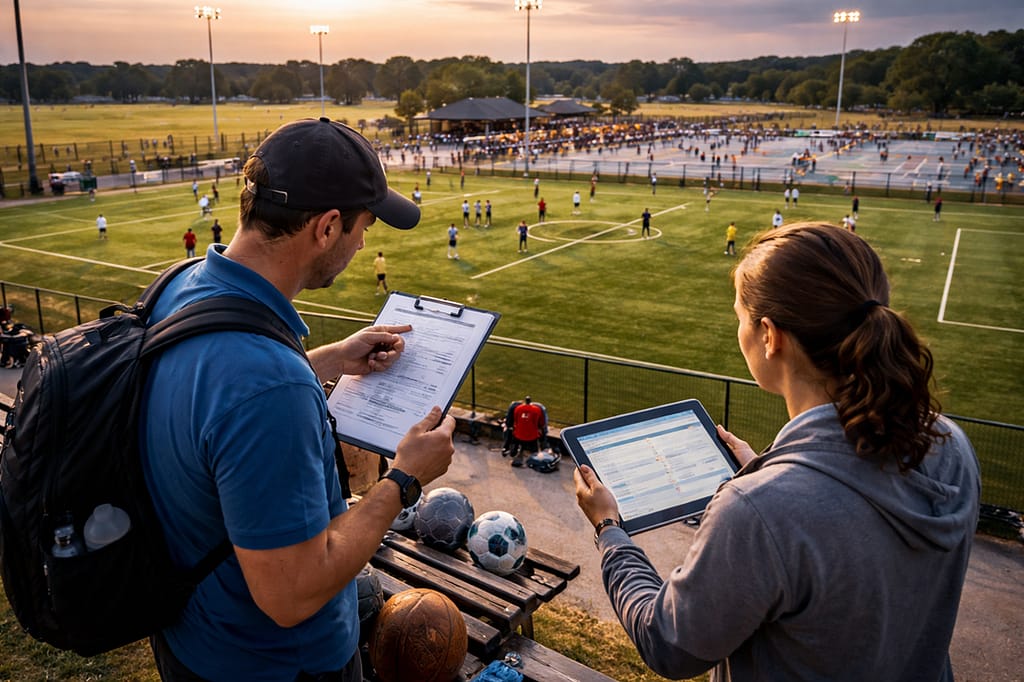
Multi-use facilities respond directly to this challenge by allowing space to be reconfigured across different time slots and user needs. A single field or indoor court can support youth leagues in the afternoon, adult recreational leagues in the evening, and open community programming on weekends.
This adaptability reduces idle time—one of the most overlooked inefficiencies in facility management—and allows organizations to better align capacity with real-world usage patterns.
Maximizing Participation Without Expanding Footprint
One of the most immediate benefits of shared-use design is the ability to increase participation without requiring new land acquisition. In many communities, especially urban or rapidly developing areas, space is the primary constraint—not demand.
By layering usage across different groups, facilities can accommodate more players, teams, and programs within the same physical footprint.
| Facility Type | Single-Use Model | Shared-Use Model |
|---|---|---|
| Soccer Field | Youth league only | Youth + adult + training clinics |
| Gymnasium | School sports only | School + community leagues + rentals |
| Outdoor Court | Basketball only | Basketball + pickleball + futsal |
| Pavilion Space | Event-only use | Events + registration + training sessions |
This approach not only increases utilization but also strengthens the community’s perception of value, which can be critical when justifying public funding or sponsorship support.
Scheduling Complexity And The Need For Structured Systems
While shared-use facilities offer clear advantages, they introduce a higher level of operational complexity. Coordinating multiple user groups requires disciplined scheduling systems, clear priority rules, and transparent communication.
Without structure, shared-use environments can quickly become sources of conflict—especially when demand exceeds available time slots.
Organizations that successfully manage these environments typically rely on integrated scheduling frameworks, often supported by digital tools. In many cases, these systems build upon broader operational strategies such as those outlined in technology tools for league management, where centralized platforms help coordinate registrations, field assignments, and real-time adjustments.
The key is not just technology, but governance—clear policies on allocation, cancellations, weather contingencies, and equitable access.
Designing For Flexibility From The Ground Up
The effectiveness of shared-use facilities is heavily influenced by how they are designed. Retrofitting existing spaces can work, but purpose-built multi-use environments deliver far greater long-term value.
Design considerations often include:
- Adjustable field markings and modular surfaces
- Portable equipment for quick transitions between sports
- Lighting systems that support extended evening use
- Storage solutions for shared gear and equipment
- Viewing areas that accommodate multiple simultaneous activities
These features allow facilities to shift between configurations with minimal downtime, preserving both scheduling efficiency and user experience.
Financial Efficiency And Long-Term Sustainability
From a financial perspective, shared-use facilities provide a more sustainable model for community investment. Instead of funding multiple single-purpose venues, municipalities and organizations can consolidate resources into fewer, more versatile spaces.
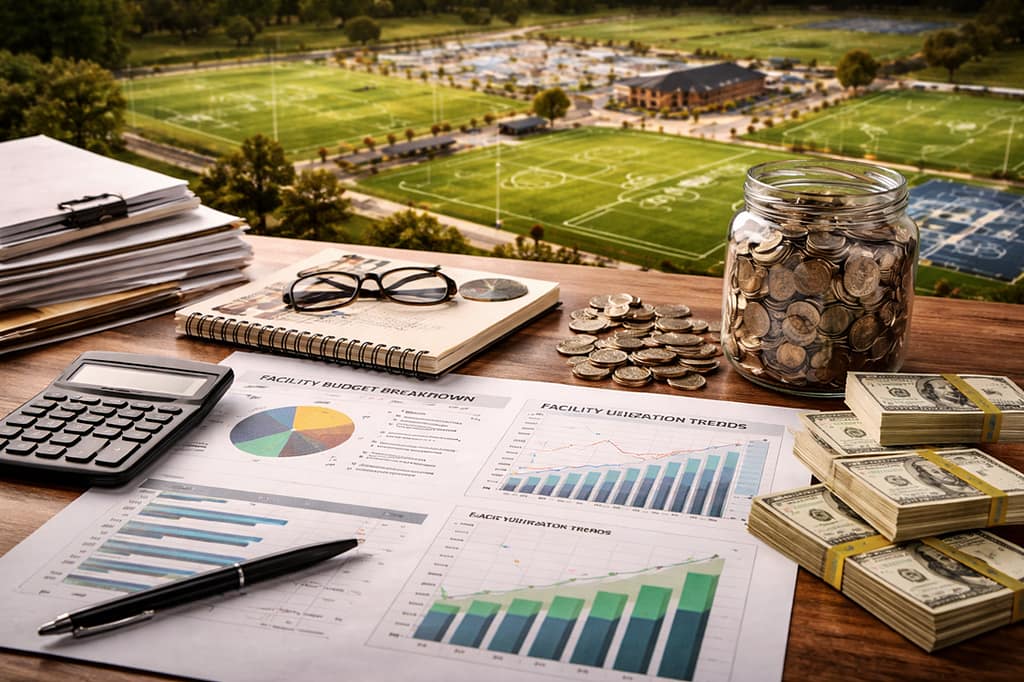
This consolidation reduces:
- Capital construction costs
- Ongoing maintenance expenses
- Staffing requirements
- Utility and operational overhead
At the same time, it opens new revenue opportunities through rentals, tournaments, and multi-program partnerships.
According to insights from the National Recreation and Park Association, communities that prioritize flexible infrastructure tend to achieve higher utilization rates and stronger long-term program viability—particularly in areas with fluctuating participation trends.
Equity, Access, And Community Inclusion
Shared-use facilities also play a critical role in improving access. By accommodating multiple programs within the same space, they lower barriers for underrepresented groups and reduce the need for exclusive facility ownership.
This model supports:
- Coexistence of youth and adult leagues
- Integration of emerging sports alongside traditional ones
- Increased availability for casual or drop-in participants
- Broader geographic access within limited infrastructure
The result is a more inclusive recreation environment, where facilities serve the full spectrum of community needs rather than a narrow subset.
The Governance Challenge Behind Shared Spaces
Despite their advantages, shared-use facilities require stronger governance frameworks than traditional models. Decision-making must be transparent, allocation policies must be consistent, and conflicts must be managed proactively.
This often brings facility management closer to broader organizational governance topics—such as board oversight, policy development, and stakeholder communication.
Without these structures, even well-designed shared spaces can struggle to deliver on their potential. With them, however, they become one of the most effective tools available for scaling community sports participation.
Why Shared-Use Facilities Are No Longer Optional
The transition toward shared-use infrastructure is not simply a trend—it is a response to structural realities in community sports. Land constraints, financial pressures, and evolving participation patterns all point toward the same conclusion: flexibility is now a core requirement.
Communities that embrace this model position themselves to handle growth, adapt to change, and deliver more value with fewer resources. Those that do not risk underutilized facilities, scheduling bottlenecks, and declining program accessibility.
In a landscape where every field, court, and hour of availability matters, shared-use design is quickly becoming the standard—not the exception.