

In April 2026, local sports calendars across the United States are once again revealing a familiar—but operationally complex—pattern: a sharp surge in youth participation driven by overlapping spring sports schedules. From Southern Illinois to mid-sized communities across the Midwest, published schedules for high school track meets and baseball games show dense clusters of activity within narrow time windows, often stretching facilities, volunteers, and families to their limits.
Reports from April 20, 2026, local sports listings in Illinois highlight how a single weekday can include multiple track meets, junior varsity baseball games, and varsity matchups across nearby districts. While this density reflects strong participation, it also exposes the structural challenges that community sports systems face when seasonal demand peaks simultaneously.
For administrators, this is not just a scheduling issue—it is a systems-level pressure point that affects participation quality, retention, and long-term program sustainability.
The Spring Participation Surge And Its Predictable Intensity
Spring has become one of the most active periods in youth sports, particularly for outdoor programs like track and baseball. Unlike fall or winter seasons, where sports are more segmented, spring schedules often overlap significantly.
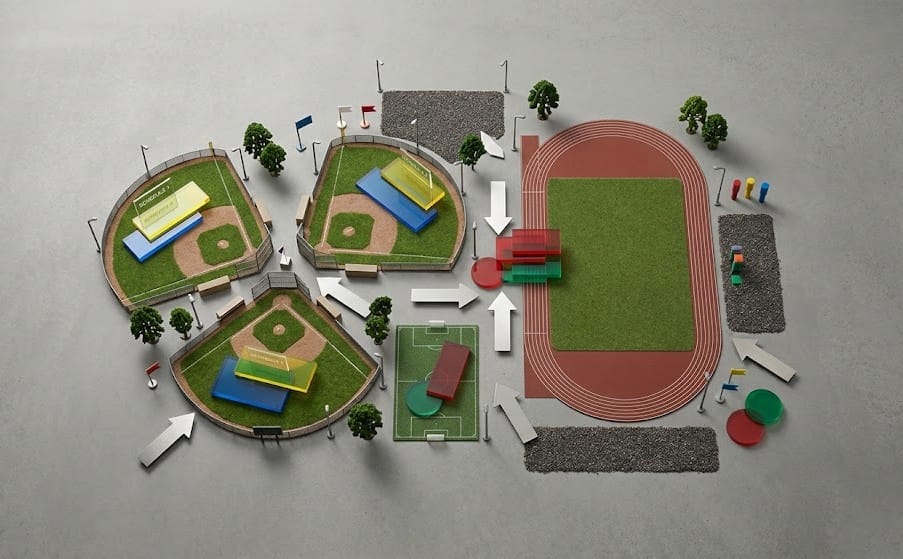
High school athletic calendars frequently include:
- Track meets involving multiple schools and large athlete rosters
- Baseball series across varsity, junior varsity, and freshman levels
- Rescheduled events due to weather disruptions
This creates a compressed participation environment where demand for fields, tracks, and staff peaks within a short timeframe.
| Factor | Off-Peak Season | Spring Peak Season |
|---|---|---|
| Number of Events Per Week | Moderate | High density across multiple sports |
| Facility Usage | Distributed | Continuous, often overlapping |
| Volunteer Demand | Manageable | High, often stretched |
| Scheduling Flexibility | Available | Limited due to congestion |
While this surge is predictable, many local systems still operate with infrastructure and staffing models designed for lower-demand periods.
Scheduling Density And Facility Allocation Challenges
The most immediate impact of seasonal overlap is seen in facility usage. Track meets require large blocks of time and shared access, while baseball demands dedicated fields for multiple team levels.
In communities with limited infrastructure, this creates conflicts such as:
- Simultaneous demand for the same fields or shared spaces
- Extended game days pushing into evening hours
- Limited recovery time for field maintenance
- Increased wear and tear on facilities
Administrators often rely on tightly coordinated scheduling frameworks to manage these pressures. Strategies similar to those outlined in field allocation planning strategies become essential, particularly when multiple leagues or school systems share the same infrastructure.
Without structured scheduling systems, participation growth can paradoxically reduce the quality of the experience for athletes and families.
The Hidden Operational Cost Of Multi-Sport Participation
One of the defining characteristics of spring sports is the high rate of multi-sport participation. Many student-athletes compete in both track and baseball, or balance school sports with community leagues.
While this flexibility benefits athletes, it introduces operational complexity:
- Conflicting game and meet schedules
- Increased travel demands for families
- Fatigue and injury risk for participants
- Coordination challenges for coaches managing dual commitments
From a system perspective, this overlap requires a level of coordination that many leagues are not fully equipped to handle.
The result is often fragmented participation, where athletes must choose between events, leading to inconsistent attendance and reduced team stability.
Volunteer And Staffing Pressure During Peak Periods
Spring schedules also place significant pressure on volunteers and staff. Track meets, in particular, require large numbers of officials, timers, and event coordinators.
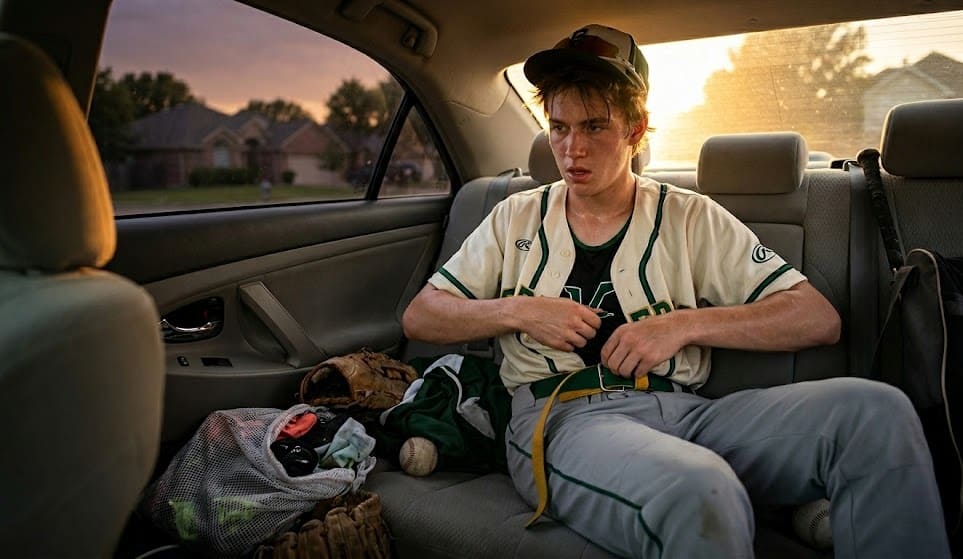
Baseball adds additional demands through:
- Umpire scheduling across multiple games
- Scorekeeping and field management
- Game-day operations and concessions
When multiple events occur simultaneously, volunteer pools are stretched thin. This is especially challenging in smaller communities where the same individuals often support multiple programs.
Organizations like the National Federation of State High School Associations (NFHS) emphasize that structured planning and volunteer development are essential to maintaining program quality during peak seasons, as noted in their guidance on high school athletics operations.
Weather Variability And Schedule Compression
Spring sports schedules are uniquely vulnerable to weather disruptions. Rainouts and field conditions often force rescheduling, compressing already dense calendars even further.
This creates a cascading effect:
- Back-to-back games or meets with limited recovery time
- Reduced practice opportunities
- Increased stress on facilities and staff
Weather-related rescheduling is not just an inconvenience—it is a multiplier of existing operational challenges.
Communities that lack flexible scheduling systems or backup facilities are particularly vulnerable to these disruptions.
Data Signals From Local Schedules: What They Reveal
Looking at real schedules from April 2026, several patterns emerge:
- Weekdays are increasingly saturated with events, reducing flexibility
- Multi-school track meets concentrate participation into single venues
- Baseball scheduling prioritizes volume, often with multiple games per team per week
These patterns highlight a broader trend: participation is strong, but system capacity is being tested.
| Observed Trend | Operational Implication |
|---|---|
| Increased event density | Higher coordination requirements |
| Multi-sport overlap | Greater scheduling conflict risk |
| Limited facility expansion | Overuse of existing infrastructure |
| High volunteer reliance | Risk of burnout and shortages |
These signals provide valuable insight for administrators planning future seasons.
Strategic Adjustments For Local Sports Administrators
To manage seasonal participation peaks effectively, local leagues and school systems are beginning to adopt more structured approaches.

Key adjustments include:
- Expanding scheduling windows to include non-traditional time slots
- Coordinating calendars across sports to reduce overlap
- Investing in shared-use facility planning
- Developing larger and more flexible volunteer pools
These strategies align with broader operational frameworks already discussed in youth league capacity planning, where balancing demand and resources is central to long-term sustainability.
The goal is not to reduce participation, but to ensure that growth is supported by adequate systems.
Participation Growth Is Outpacing Infrastructure Planning
The underlying issue is not a lack of interest—quite the opposite. Youth participation in track and baseball remains strong in many regions, supported by school programs and community leagues.
However, infrastructure and operational planning have not always kept pace with this growth.
Facilities are often:
- Designed for single-sport use rather than multi-sport demand
- Limited in number relative to population growth
- Shared across multiple organizations without unified scheduling systems
This mismatch creates ongoing tension between participation demand and system capacity.
A Seasonal Stress Test For Community Sports Systems
Spring sports schedules act as a stress test for local sports ecosystems. They reveal both the strengths and weaknesses of current systems, from facility management to volunteer coordination.
For administrators, the challenge is not simply to manage the current season, but to use these insights to inform future planning.
Communities that analyze scheduling data, invest in infrastructure, and adopt coordinated approaches will be better positioned to handle participation growth without sacrificing quality.
As youth sports continue to evolve, seasonal trends like those seen in April 2026 will remain a critical indicator of how effectively local systems can support their athletes.