

In April 2026, the Hillsboro Hops—High-A affiliate of the Arizona Diamondbacks—opened a new $150 million stadium in Hillsboro, Oregon. The project, years in the making, represents more than a facility upgrade. It signals a broader shift in how minor league teams, municipalities, and community stakeholders are redefining the purpose of sports infrastructure.
Unlike traditional ballparks designed solely for baseball, the new Hillsboro Ballpark has been built as a multi-use venue, capable of hosting concerts, festivals, and community events alongside a full minor league schedule. For community sports administrators, this evolution reflects a growing reality: facilities must now justify their cost through year-round utilization, not seasonal activity.
Why The Hillsboro Hops Stadium Matters Now
The timing of the Hops’ new stadium is critical. Following MLB’s restructuring of the minor league system in 2021, many teams faced facility compliance deadlines tied to player development standards. Teams that could not meet these standards risked losing affiliations.
Hillsboro’s investment was, in part, a response to those pressures. But it also reflects a proactive strategy—using infrastructure not just to retain affiliation, but to expand economic and community impact.
According to local reporting, the project was funded through a combination of public investment and private partnership, positioning the stadium as both a sports venue and a regional economic driver.
| Project Element | Traditional Minor League Stadium | Hillsboro Hops Model |
|---|---|---|
| Primary Use | Baseball only | Multi-event venue |
| Revenue Model | Ticket-driven | Diversified (events, rentals, sponsorships) |
| Community Access | Limited | Integrated year-round programming |
| ROI Strategy | Seasonal attendance | Continuous utilization |
This shift illustrates a new expectation: facilities must operate as assets, not expenses.
The Rise Of Multi-Use Stadium Design
The Hillsboro Ballpark is part of a growing trend across minor league sports—multi-use design as a core planning principle.
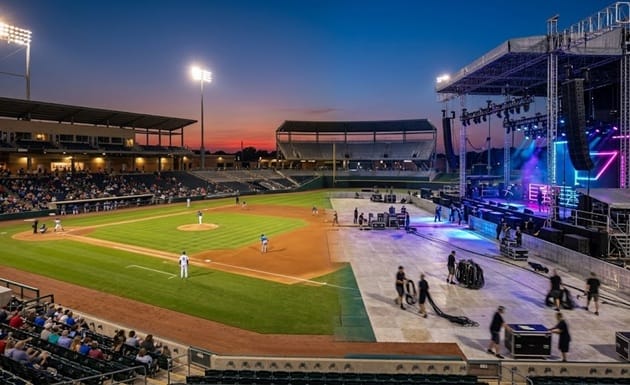
Key features of the stadium include:
- Convertible field and seating configurations
- Built-in infrastructure for concerts and large-scale events
- Expanded hospitality and sponsorship spaces
- Community-access scheduling blocks
These elements allow the venue to generate revenue beyond game days, increasing financial resilience.
For local leagues and municipalities, the takeaway is clear: single-purpose facilities are becoming harder to justify, particularly when public funding is involved.
Financial Sustainability Through Year-Round Activation
The economics of minor league baseball have changed. Attendance alone is no longer sufficient to sustain operations, especially in smaller markets.
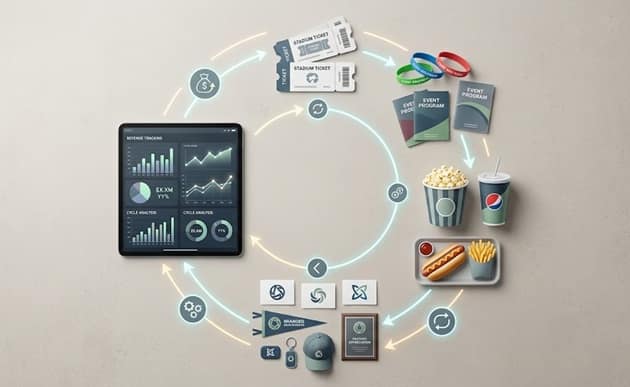
The Hillsboro model addresses this by activating the facility year-round. Events such as:
- Live concerts
- Community festivals
- Corporate rentals
- Youth tournaments
create multiple revenue streams tied to the same infrastructure.
This approach mirrors strategies discussed in facility utilization planning for community leagues, where maximizing usage across different user groups is essential for long-term sustainability.
The difference at the minor league level is scale—but the operational principle is identical.
Community Integration And Economic Impact
Beyond direct revenue, the new stadium is expected to generate broader economic benefits for Hillsboro and the surrounding region.
These include:
- Increased local business activity on event days
- Tourism from regional tournaments and events
- Job creation tied to stadium operations
- Enhanced visibility for the community
According to reporting from Axios Portland, the stadium is positioned as a catalyst for economic development, reinforcing the idea that sports infrastructure can serve as a community anchor.
This aligns with broader insights from the National Recreation and Park Association, which highlights the role of multi-use facilities in supporting community engagement and economic vitality.
Operational Complexity And Scheduling Challenges
While multi-use facilities offer clear advantages, they also introduce operational complexity.
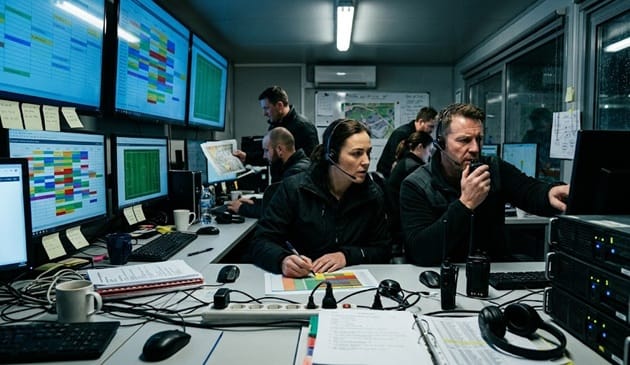
Managing a venue that hosts both professional games and community events requires:
- Advanced scheduling systems
- Clear priority allocation policies
- Coordination across multiple stakeholders
- Maintenance planning for high-frequency use
| Operational Factor | Single-Use Facility | Multi-Use Stadium |
|---|---|---|
| Scheduling | Predictable | Dynamic and complex |
| Maintenance | Moderate | High due to usage intensity |
| Staffing | Game-day focused | Continuous operations |
| Coordination | Limited stakeholders | Multi-stakeholder management |
For administrators, this underscores the importance of governance structures and technology systems that can handle increased complexity.
What This Means For Smaller Markets And Local Leagues
The Hillsboro project is not an isolated case—it reflects a broader shift that will influence how smaller markets approach sports infrastructure.
Local leagues may not operate at the same financial scale, but the underlying lessons are highly transferable:
- Facilities must serve multiple user groups
- Revenue must be diversified beyond participation fees
- Community integration increases long-term sustainability
- Operational systems must evolve alongside infrastructure
As more minor league teams adopt similar models, expectations will rise for how sports facilities function at every level.
A Structural Shift In Sports Infrastructure Planning
The opening of the Hillsboro Hops’ new stadium represents a structural shift, not a one-off investment. It reflects a new standard in sports infrastructure—one that prioritizes flexibility, financial sustainability, and community integration.
For EfficientDirectory’s audience, the implication is clear: the future of sports facilities lies in their ability to do more than host games.
They must operate as dynamic community assets, capable of supporting participation, generating revenue, and adapting to changing demands.
Communities that embrace this model will be better positioned to sustain and grow their sports programs. Those that do not may find themselves struggling to justify the cost of underutilized infrastructure.