

Ever wonder how your neighborhood baseball diamond turns into a field of dreams each season? It’s not magic. It’s the work of accountants who become treasurers and tech dads who manage digital stuff.
This league organization works like a democratic version of baseball’s invisible hand. Parents work on the infield, and coaches manage teams. It all happens without any corporate memos.
The key is a system where every role is important. Safety officers make sure the field is safe, and registration coordinators handle all the paperwork.
Want to be part of this team? Finding volunteers is easy. Your skills in organizing spreadsheets can make you a league MVP.
Your ability to organize spreadsheets might just make you the league’s next MVP.
Why Volunteers Matter
Ever think what would happen if all sports volunteers chose to watch Netflix instead of helping out? The whole youth sports world would fall apart quickly. Volunteers are more than just helpers; they’re the backbone of the system.
Volunteers are like the unpaid Avengers of our community. They bring their unique skills to help out without expecting anything in return. If we had to pay them, league fees would skyrocket, even higher than Yankees season tickets.
Studies show that volunteering is more than just helping out—it’s a way to improve yourself. The rewards are amazing, from feeling more productive to gaining valuable skills. It’s like getting a top-notch job without the paycheck.
- Increased sense of productivity and purpose
- Practical skills development that looks great on résumés
- Improved physical health from staying active
- Emotional rewards that outlast any paycheck
For park and recreation agencies, volunteers are the face of youth sports. They welcome kids at registration and say goodbye after the game. Without them, many programs wouldn’t exist.
Volunteering is a win-win situation. You learn leadership skills and teach kids important lessons. You gain experience while making sure everyone gets a chance to play. It’s about being part of something bigger and building your community.
This isn’t just about filling roles—it’s about building a foundation for young athletes. The person running the concession stand isn’t just selling snacks; they’re helping buy new equipment. The field crew isn’t just mowing; they’re making the field safe. Coaches aren’t just calling plays; they’re shaping young minds.
When you volunteer, you’re not just giving time—you’re investing in your community’s future. You’re also becoming a better version of yourself. That’s a deal worth making.
Roles for Parents and Players
Ever wonder how corporate structure meets childhood baseball dreams? The volunteer ecosystem works like a well-oiled machine. Everyone plays a key role, from the boardroom to the batter’s box.
The League President is like the CEO of childhood memories. They oversee everything, even worrying about porta-potty deliveries. The Treasurer tracks every dollar, like a Wall Street analyst.
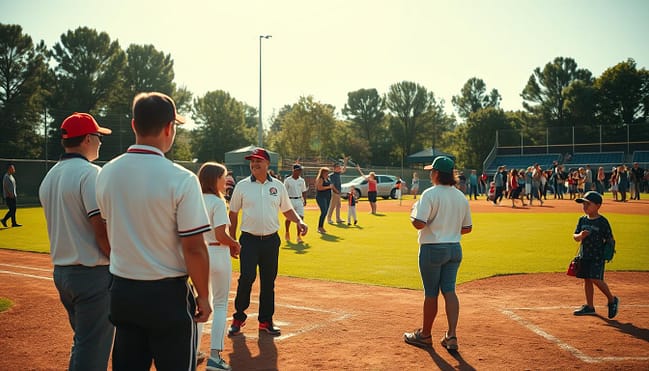
The Safety Officer is like OSHA for 10-year-olds, ensuring only egos get bruised after strikeouts. Field Maintenance crews make baselines straighter than an accountant’s tie. These roles are the backbone of community help initiatives.
Coaching Coordinators are part-sports psychologist, part-diplomat. They mediate between overzealous parents and stressed managers. Team Managers build confidence and teach batting stance.
Concession stand volunteers have ninja skills. They make change and prevent kids from buying too many Skittles. Fundraising Committee members are like salespeople, convincing businesses to support youth sports.
Registration helpers are data entry experts with a heart. They process forms and remember every child’s name. Umpires make quick calls that please no one—a skill for politics.
The table below shows how these roles create a complete ecosystem of community help:
| Role Category | Key Responsibilities | Time Commitment | Impact Level |
|---|---|---|---|
| Leadership Positions | Strategic planning, financial oversight, safety protocols | 10-15 hours/week | High |
| Field Operations | Maintenance, equipment management, game preparation | 4-6 hours/week | Medium-High |
| Team Support | Coaching, player development, parent communication | 6-8 hours/week | High |
| Game Day Roles | Umpiring, concessions, registration assistance | 2-4 hours/game | Medium |
| Special Projects | Fundraising, events, community outreach | Varies by project | Medium-High |
Each volunteer role connects like puzzle pieces. The Secretary’s record-keeping helps the Treasurer’s reports. The Field Maintenance team’s work supports Coaching Coordinator’s training.
This structure is brilliant because it lets people contribute based on their skills and time. A corporate lawyer can handle league governance. A stay-at-home parent can manage practices. A college student can umpire games.
This diverse community help network shows everyone has something valuable to offer. Whether it’s paperwork or organizing base runners, every contribution matters. These varied roles create a thriving youth sports community.
Learn more about these opportunities through New West Baseball’s parent volunteer roles guide. You might find your perfect niche in this chaotic yet organized world of youth sports volunteering.
How to Become a Volunteer
So you’ve decided to trade your corporate badge for a whistle and a clipboard? Welcome to the most rewarding side hustle that pays in high-fives instead of dollars. The volunteer onboarding process is thorough, but it’s worth every step.
Let’s break down what actually happens when you raise your hand to help:
- Background checks that would make a Secret Service agent nod approvingly
- Policy documents that rival Tolstoy novels in length
- Training sessions covering everything from proper snack distribution to diplomatic relations with overzealous parents
The beauty of this league organization system? It’s like a skills-based matchmaking service for community engagement. If you’re good with spreadsheets, the treasurer position awaits. Tech-savvy? The webmaster role needs your digital wizardry. Or, if you’re great at organizing chaos, the team mom/dad role is for you.
Your first step is simple: have a conversation with your local league president. This isn’t a job interview—it’s more like speed dating for civic engagement. They’ll help match your talents with actual needs, creating that perfect synergy between what you love doing and what actually helps the league organization thrive.
The commitment is real, but the ROI? Let’s just say the emotional dividends beat any 401(k) match. You’re not just filling a role—you’re becoming part of the machinery that makes community sports actually work. And that’s something no corporate bonus can ever replicate.
Success Stories
Meet the spreadsheet expert who turned financial models into baseball bats. This accountant didn’t just balance books. He balanced the league’s budget and raised funds to replace old equipment. It was truly magical.
A graphic designer became the Internet Officer and didn’t just make things look good. She boosted registration by 40% with smart digital strategies. These stories are real, showing how community efforts can change lives.
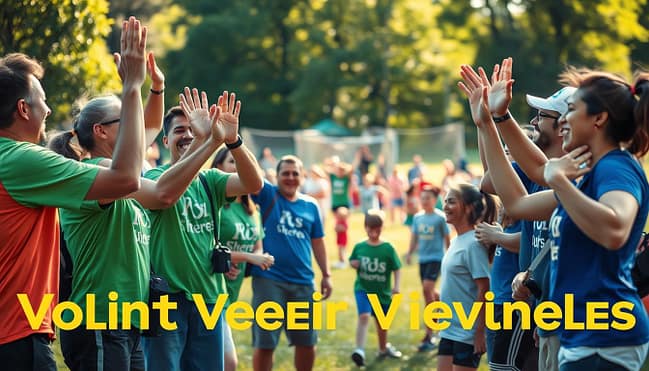
Retired teachers have become coaching legends, teaching both slider mechanics and life lessons. Their impact goes beyond the field, shaping character and building community bonds.
Strong volunteer programs lead to better social cohesion, lower youth crime, and higher civic engagement. It’s like a ripple effect in sports, where one decision can change generations.
Jason Schaitz has spent 15 years in youth sports management. Through League Source and The Summer Camp Source, he’s helped thousands of sports volunteers make a bigger difference. His work shows how shared knowledge can create lasting change.
Success isn’t just about wins and losses. It’s about kids learning from failure and communities growing stronger together.
Mentoring programs, holiday initiatives, and more show the wide impact of volunteers. These sports volunteers are changing community stories for the better.
For more inspiration, check out these volunteer success stories. They prove that when sports volunteers step up, whole communities benefit.
Impact on League Success
Volunteer quality is key to league success. It’s more important than fancy equipment or perfect fields. A good Safety Officer can prevent big problems.
Studies show leagues with great volunteer training have fewer complaints and keep players longer. This leads to happier families and stronger community ties.
Volunteers like the treasurer and concession stand manager are more than just helpers. They’re community help architects building something special.
Good coordination leads to smoother seasons and happier families. This creates a cycle where more volunteers join next year. It turns casual helpers into community leaders.
Umpire coordination needs diplomacy skills. Board meetings can be tough when volunteers aren’t working well together. But when it works, it’s amazing.
Strong volunteer programs also boost community goodwill. They make leagues into neighborhood hubs, not just seasonal events.
This isn’t just about filling spots. It’s about creating a community help system where everyone is valued and trained. The right program thrives, not just survives.
Your volunteer base is the backbone of your program. Invest in them, and they’ll make your league safer, smoother, and more enjoyable for all.
Turning community help into community building is a big deal. The results are clear and measurable.
Conclusion: Join the Team Behind the Scenes
Stop just watching your community’s story. Start writing your own chapter.
The behind-the-scenes team isn’t just for a few. It’s for anyone who wants to make a difference, even with a busy schedule.
Think about using your skills for something bigger than work. Your project management skills are great for organizing events. Your negotiation skills are perfect for solving disputes.
This isn’t just about baseball. It’s about creating a community where kids learn important values.
The real reward isn’t money. It’s in the lives of children who learn to be resilient. It’s in the parents who find a sense of community. It’s in the volunteers who find purpose.
Look for your local league president. They’re probably dealing with rainouts or inventory. Tell them you’re ready to join the most important team you’ll ever be a part of.